
Filters
18 products viewed

Scarlet Beebalm / Bergamot Seeds
Botanical Name: Monarda didyma USDA Hardiness Zones: Zones 4-9 (perennial) Sowing Instructions: North/Central: Indoor seedlings 8 weeks before last spring frost (March) Southern zone: sowing or transplanting in early spring Germination: 10 - 20 Days Bloom & Harvest: Jun - Sep Growing & Care: It requires light to germinate and is only covered with very thin vermiculite; the whole plant has the aroma of bergamot tea and its bright red tubular flowers are the favorite nectar plant of North American hummingbirds and bumblebees.

Anise Hyssop Seeds
Botanical Name: Agastache foeniculum USDA Hardiness Zones: Zones 3-9 (perennial) Sowing Instructions: North/Central: Shallow sowing in outdoor winter sowing boxes in December or early indoor sowing in January will produce full lavender and purple flower spikes in the summer of that year. Germination: 7 - 14 Days Bloom & Harvest: Jun - Oct Growing & Care: Surface sow, as light aids germination. Aromatic leaves have an anise and mint scent. Purple flower spikes attract bees.

Sulphur Cosmos Seeds
Botanical Name: Cosmos sulphureus USDA Hardiness Zones: Zones 2-11 (grown as annuals) Sowing Instructions: US: Directly sow outdoors in June, and a sea of golden-orange flowers will form 50-60 days after sowing. Germination: 4 - 7 Days Bloom & Harvest: Aug - Oct Growing & Care: It is more resistant to high temperature exposure and barren drought than ordinary cosmos; seedlings emerge within 4 days of sowing in June, quickly filling the color gap in the midsummer garden.

Silver Lupine / Arroyo Lupine Seeds
Botanical Name: Lupinus succulentus USDA Hardiness Zones: Zones 7-10 (direct sowing during winter rainy season) Sowing Instructions: California and the southwestern United States: Spread directly on sunny slopes before the first winter rain in November Germination: 10 - 21 Days Bloom & Harvest: Next Mar - May Growing & Care: It takes advantage of winter rain erosion and the temperature difference between day and night to naturally break out of the shell and germinate; rhizobia bacteria fix nitrogen, which is very suitable for ecological restoration of barren slopes and wildflower meadows.

Scarlet Sage / Tropical Sage Seeds
Botanical Name: Salvia coccinea USDA Hardiness Zones: Zones 8-11 (perennial) Zones 3-7 (spring sown annual) Sowing Instructions: Shennan District and Florida/Texas (Zones 8-11): direct sowing in late autumn and early winter in November, with continued growth and flowering in mild winter. Germination: 7 - 14 Days Bloom & Harvest: Winter-Spring Bloom (South) Growing & Care: Light-resistant seeds should be sown shallowly; red sage, native to southeastern North America, is heat and light frost tolerant and is the most important nectar source for hummingbirds in southern winter and spring.

Russell Hybrid Lupine Seeds
Botanical Name: Lupinus polyphyllus USDA Hardiness Zones: Zones 4-8 (cold-resistant perennial) Sowing Instructions: North/Central: Soak the seeds in July and then sow them in deep-root nutrient pots on demand. Plant them in autumn and overwinter. The flowers will bloom in late spring of the following year. Germination: 14 - 21 Days Bloom & Harvest: Next May - Jul Growing & Care: The seed coat is hard and needs to be lightly ground and soaked in warm water for 24 hours before sowing. Avoid damaging the taproot system and prefers cool, moist and slightly acidic soil.

Purple Coneflower Seeds
Botanical Name: Echinacea purpurea USDA Hardiness Zones: Zones 3-9 (Hardy Medicinal Perennial) Sowing Instructions: Jan Winter jug sowing outdoors / Indoor start after 2-wk chill Germination: 10-20 days Bloom & Harvest: Blooms Jun - Sep (First-year blooms from Jan start) Growing & Care: Lightly cover 1/8 in, early Jan start yields first-year blooms

ProCut / Big Smile Dwarf Sunflower Seeds
Botanical Name: Helianthus annuus (60-Day Var.) USDA Hardiness Zones: Zones 2-11 (grown as annuals) Sowing Instructions: US: direct outdoor sowing in June, one batch every two weeks to ensure continuous cut flowers from late summer to mid-autumn. Germination: 5 - 8 Days Bloom & Harvest: Aug - Oct Growing & Care: Germination and growth are extremely fast under high temperatures in June; the pollen- free cut flower strain (ProCut) or the dwarf potted strain (Big Smile) are popular for midsummer reseeding.
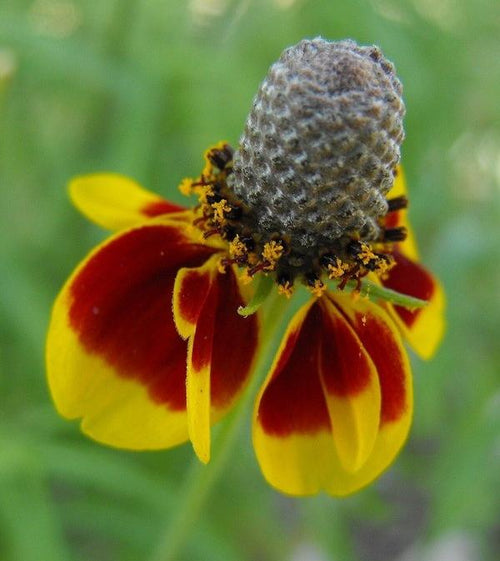
Prairie Coneflower / Mexican Hat Seeds
Botanical Name: Ratibida columnifera USDA Hardiness Zones: Zones 3-9 (Drought-Tolerant Prairie Native) Sowing Instructions: Dec Winter sowing in jugs outdoors Germination: Sprouts in April Bloom & Harvest: Blooms Jun - Sep NEXT YEAR (Sombrero petals) Growing & Care: Cover 1/8 in, rugged native thriving in dry gravelly soil

Mexican Sunflower Seeds
Botanical Name: Tithonia rotundifolia USDA Hardiness Zones: Zones 3-11 Sowing Instructions: Jun Direct Sow (Heat/drought champion) Germination: 7-10 days Bloom & Harvest: Blooms Aug - Nov (Monarch magnet) Growing & Care: Grows 6-8 ft tall, cover 1/4 in, attracts butterflies

Gallery Series Dwarf Lupine Seeds
Botanical Name: Lupinus polyphyllus (Dwarf Series) USDA Hardiness Zones: Zones 4-8 (perennial) Sowing Instructions: North/Central: Soak seeds in December and then sow them into deep hole trays and place them in cold frames, or sow seeds directly outdoors in December in Southern California/Texas Germination: 14 - 21 Days Bloom & Harvest: May - Jul Growing & Care: The plant height is only 18-20 inches, and it can withstand wind without the need for supporting posts. It is suitable for small and medium-sized courtyards and large potted plants.

Cupcakes / Apricot Cosmos Seeds
Botanical Name: Cosmos bipinnatus (Specialty Cut Var.) USDA Hardiness Zones: Zones 2-11 (grown as annuals) Sowing Instructions: US: Seedlings can be sown outdoors after the danger of frost is eliminated in April, or grown indoors 4 weeks before last spring frost. Germination: 5 - 10 Days Bloom & Harvest: Jun - Oct Growing & Care: It is very easy to germinate, so avoid applying too much nitrogen fertilizer (otherwise it will grow too long and not bloom); pinching the seedlings when they are 18 inches tall can double the number of flowers.

Creeping Zinnia / Sanvitalia Seeds
Botanical Name: Sanvitalia procumbens USDA Hardiness Zones: Zones 2-11 (grown as annuals) Sowing Instructions: US: direct sowing outdoors in June on the edge of flower beds or hang flower baskets Germination: 7 - 10 Days Bloom & Harvest: Jul - Oct Growing & Care: The light-loving seeds are sown shallowly; the plant height is only 6 inches but has strong horizontal spreading ability, is resistant to high temperature and drought, and does not require self-cleaning.
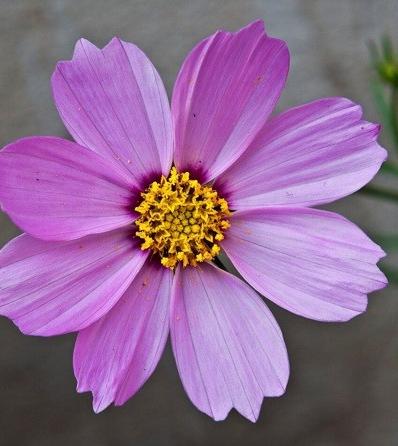
Cosmos Seeds
Botanical Name: Cosmos bipinnatus USDA Hardiness Zones: Zones 3-10 Sowing Instructions: Mar Indoor Start (4-5 wks before last spring frost) Germination: 7-10 days Bloom & Harvest: Blooms Jun - Oct Growing & Care: Tolerates poor soil; too much nitrogen reduces blooms
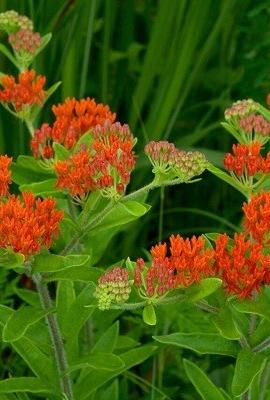
Butterfly Orange Milkweed Seeds
Grow orange butterfly weed, a native milkweed valued for monarch habitat and drought-tolerant summer color. Botanical name: Asclepias tuberosa USDA zones: 3–9 as a perennial Sowing: Winter sow outdoors or in deep root pots Germination: Spring emergence after about 30–60 days of cold stratification Bloom: June–August Care: Direct sow into a sunny, well-drained sandy loam and avoid disturbing the taproot One packet of seeds.

Pink Swamp Milkweed Seeds
Grow native pink swamp milkweed for fragrant summer flowers and monarch habitat. Botanical name: Asclepias incarnata USDA zones: 3–9 as a perennial Sowing: Sow outdoors in winter or cold-moist stratify for about 30 days before spring sowing Germination: Spring emergence after cold treatment Bloom: July–September Garden value: Fragrant pink flowers attract pollinators and support monarch caterpillars One packet of seeds.
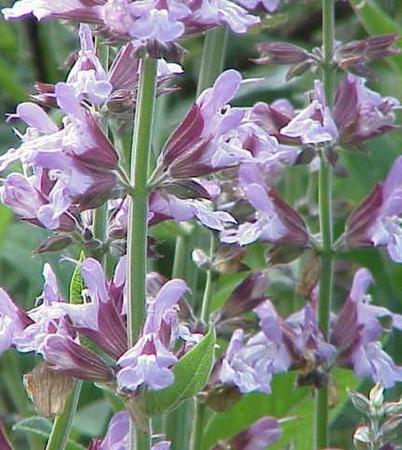
Common Culinary Sage Seeds
Grow classic culinary sage for savory cooking, herb beds, and containers. Botanical name: Salvia officinalis USDA zones: 4–9 as a perennial subshrub Sowing: Start indoors 6–8 weeks before the last spring frost Germination: 10–14 days Harvest: Leaves in about 75–85 days Care: Cover lightly, keep around 68–70°F, and provide well-drained soil One packet of seeds.
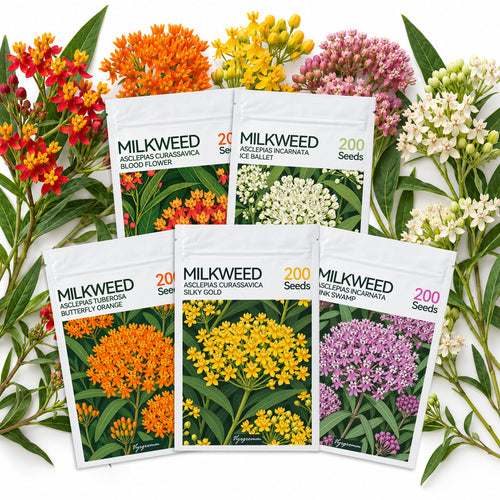
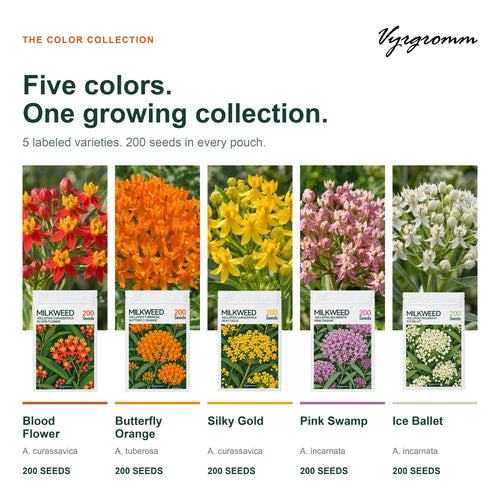
Milkweed Seeds for Planting Monarch Butterfly Garden — 5 Variety Pack (1,000 Heirloom Seeds)
Bring Monarch Butterflies to Your Garden with 5 Native Varieties Restore natural pollinator habitats and turn your backyard into a fluttering monarch sanctuary with the Vyrgromm 5-Pack Milkweed Variety Collection. Containing 1,000 untreated, non-GMO heirloom seeds across five carefully curated Asclepias species, this set is specially designed to provide a continuous nectar supply and vital caterpillar host foliage from early summer through autumn frost. Why Gardeners Love the Vyrgromm 5-Pack Collection Vital Monarch Habitat: Milkweed is the only host plant on which monarch butterfly caterpillars feed. Sowing these native flowers provides essential shelter and high-sugar nectar for pollinators. 5 Distinct Species & Colors: Includes Butterfly Orange (Asclepias tuberosa), Ice Ballet White & Pink Swamp (Asclepias incarnata), plus Blood Flower & Silky Gold (Asclepias curassavica). Continuous All-Season Blooms: Tiered heights ranging from 12" to 60" create layered borders and rain gardens with vibrant blooms from June through October. Lab-Tested Quality: Fresh batch tested at 55%+ germination and 99% purity. 100% untreated seeds with zero neonicotinoid chemical coatings. 5 Individually Labeled Packets: Each seed envelope contains 200 seeds, detailed USDA zone guidance, planting depth, and cold stratification instructions. Product Specifications Brand Vyrgromm Package Quantity 5 Individual Seed Packets (200 seeds/pack, 1,000 seeds total) Varieties Included Butterfly Orange, Ice Ballet White, Pink Swamp, Blood Flower Red-Orange, Silky Gold Plant Type Perennial (USDA Zones 3–9) & Tender Perennial (Zones 9–11) Sunlight Full Sun to Partial Shade Bloom Time Early Summer to Late Fall (June – October) Origin Packed in the USA Simple Sowing & Care Guide Cold Stratification (Recommended for Perennials): Mix seeds with damp sand or paper towel in a sealed bag and refrigerate for 30 days before spring planting to break dormancy. Sow: Plant seeds 1/8" to 1/4" deep in well-draining soil. Keep moist during germination (14–28 days). Grow & Enjoy: Transplant or thin seedlings once true leaves appear. Enjoy colorful blossoms and visitations from monarch butterflies!