
Filters
120 products viewed

Wishbone Flower Seeds
Botanical Name: Torenia fournieri USDA Hardiness Zones: Zones 2-11 (grown as annuals) Sowing Instructions: North/Central: Indoor seedlings 8-10 weeks before last spring frost (February) Southern District: Planting shady flower beds from March to April Germination: 7 - 14 Days Bloom & Harvest: May - Oct Growing & Care: Very light and fine seeds, sown on the surface to retain moisture without covering with soil. It is the first choice for disease resistance of impatiens in American understory gardens and north-facing balconies.

Winter Elegance / Early Multiflora Sweet Pea Seeds
Botanical Name: Lathyrus odoratus (Short-Day Winter Var.) USDA Hardiness Zones: Zones 8-10 (exclusively for warm zones without severe cold) Sowing Instructions: California/Southern Texas/Northern Florida and the Gulf of Mexico (Zones 8-10): Directly on demand in November, take advantage of the mild winter to climb and bloom in early spring Germination: 10 - 14 Days Bloom & Harvest: Next Feb - Apr Growing & Care: Short-day winter flower strains can normally differentiate flower buds in winter when the daylight is less than 11 hours, and are the fragrant protagonists of southern winter gardens.

Wild Columbine Seeds
Botanical Name: Aquilegia canadensis USDA Hardiness Zones: Zones 3-8 (Hardy Native Woodland Perennial) Sowing Instructions: Jan Winter sowing in milk jugs or chill 3-4 wks then indoor sow Germination: 14-30 days Bloom & Harvest: Blooms May - Jul (Attracts hummingbirds) Growing & Care: Needs cold stratification & light, surface sow, shade & deer tolerant

Wax Begonia Seeds
Botanical Name: Begonia semperflorens USDA Hardiness Zones: Zones 3-10 (Annual/Tender Perennial) Sowing Instructions: Mid-Late Jan Indoor Start (12-16 wks before last spring frost) Germination: 14-21 days Bloom & Harvest: Blooms May - Oct Growing & Care: Dust-like seeds, surface sow (light required), 70-75°F

Treasure Flower Seeds
Botanical Name: Gazania rigens USDA Hardiness Zones: Zones 9-11 (perennial) Zones 3-8 (grown as annuals) Sowing Instructions: North/Central: Indoor seedlings 6-8 weeks before last spring frost (March) Southwest Arid Area: Early Spring direct sowing Germination: 7 - 14 Days Bloom & Harvest: May - Oct Growing & Care: Seeds that require darkness need to be covered with thin soil; they are extremely tolerant of high temperatures, drought and barren sandy soil. The flowers open and close with the sunlight, making them suitable for rock gardens and xeriscape gardens.
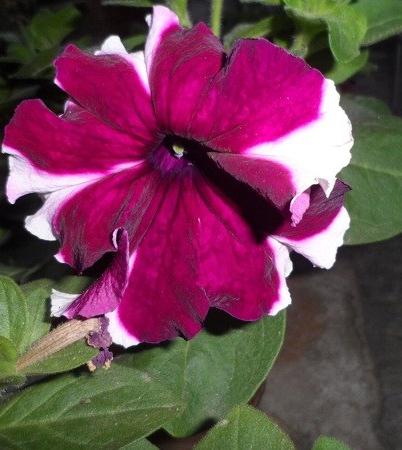
Trailing / Wave Petunia Seeds
Botanical Name: Petunia × atkinsiana (Wave Series) USDA Hardiness Zones: Zones 2-11 (mainly recommended for spring and summer hanging baskets in the US) Sowing Instructions: US: Indoor seedlings 10-12 weeks before last spring frost (main February sowing window) Southern zone: transplant into pots in early spring Germination: 7 - 14 Days Bloom & Harvest: May - Oct Growing & Care: Most of the seeds are pelletized. After sowing, strong light and a 22-24°C heated propagator are needed to promote germination. The creeping crown can reach 3-4 feet. It is a popular product in hanging baskets and window boxes in spring.
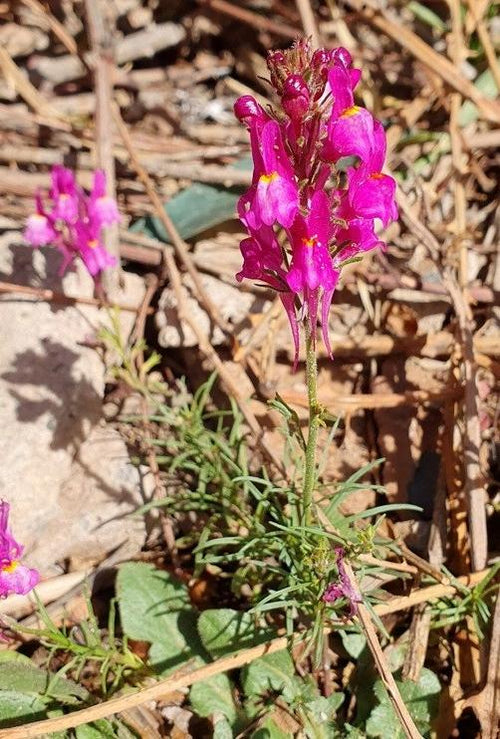
Toadflax / Moroccan Spurred Snapdragon Seeds
Botanical Name: Linaria maroccana USDA Hardiness Zones: Zones 6-10 (autumn sowing) Zones 2-5 (early spring broadcast) Sowing Instructions: South-central and West Coast (Zones 7-10): Sow directly in September, and a sea of mini jewel-colored snapdragon flowers bloom in late winter and early spring. Germination: 7 - 12 Days Bloom & Harvest: Next Feb - May Growing & Care: The seeds are light-loving and can be sown shallowly without covering with soil. They are frost-resistant. The flower colors include contrasting violet, carmine and lemon yellow, and are easy to form into flakes.
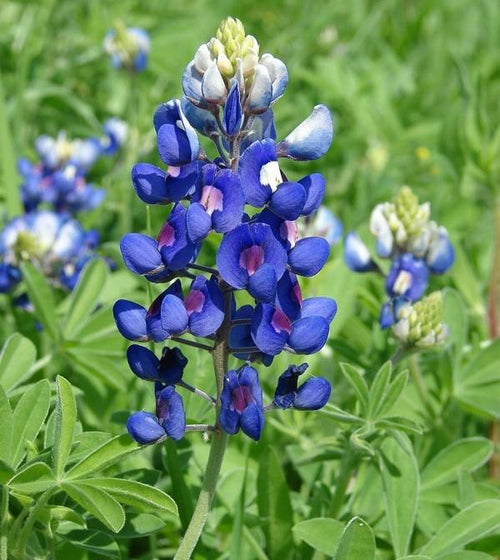
Texas Bluebonnet Seeds
Botanical Name: Lupinus texensis USDA Hardiness Zones: Zones 6-10 (popular for autumn sowing in the South and Southwest) Sowing Instructions: Texas/South/Southwest Zone: Outdoor sowing must be completed in October. The seed coat is softened by autumn and winter rains and overwintering rosettes grow. Germination: 14 - 30 Days Bloom & Harvest: Next Mar - May Growing & Care: The largest-selling native wildflower seeds in the U.S. in the fall in October! It must be sown in autumn between September and November to produce a spectacular sea of blue flowers in March and April of the following year.

Ten-Week Stock Seeds
Botanical Name: Matthiola incana USDA Hardiness Zones: Zones 3-10 Sowing Instructions: North/Pacific Northwest: Nursery or direct seeding in July, fragrant flower spikes bloom in the cool autumn breeze from September to November Germination: 7 - 14 Days Bloom & Harvest: Sep - Nov Growing & Care: The seeds of good light are sown shallowly; the flowers are rich in color, sweet and fragrant like lilacs, and can withstand light frost under the cool autumn temperature difference between day and night.

Sweet Pea Seeds
Botanical Name: Lathyrus odoratus USDA Hardiness Zones: Zones 8-10 (Direct Sow) / 4-7 (Deep Root Pots) Sowing Instructions: Jan Direct sow in warm zones / Deep root trainer pots indoors Germination: 10-14 days Bloom & Harvest: Blooms Apr - Jul (Intensely fragrant) Growing & Care: Soak 12 hrs, sow 1 in deep, prefers cool roots, provide trellis

Tall Verbena Seeds
Botanical Name: Verbena bonariensis USDA Hardiness Zones: Zones 7-11 (perennial) Zones 3-6 (grown as annuals) Sowing Instructions: North/Central: Indoor seedlings 8-10 weeks before last frost (February) South/West Coast: Early Spring Outdoor direct sowing Germination: 14 - 28 Days Bloom & Harvest: Jun - Oct Growing & Care: Prefers full sun and well-drained soil; requires light for germination and very thin covering of soil; the plant height can reach 3-4 feet, and is very popular with monarch butterflies and bees.
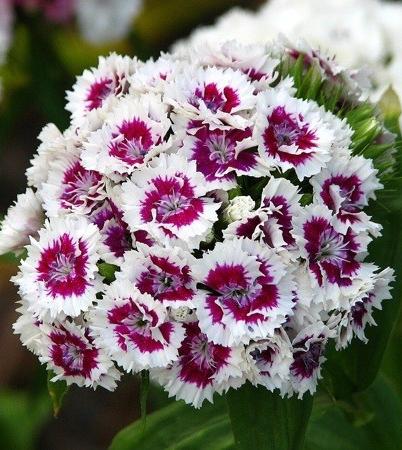
Sweet William Seeds
Botanical Name: Dianthus barbatus USDA Hardiness Zones: Zones 3-9 (Hardy Biennial) Sowing Instructions: Aug Outdoor seedbed Germination: 7-14 days Bloom & Harvest: Blooms May - Jul NEXT YEAR Growing & Care: Cover 1/8 in, overwinter as hardy greenery, fragrant blooms

Sweet Alyssum Seeds
Botanical Name: Lobularia maritima USDA Hardiness Zones: Zones 8-11 (Direct Sow) / 3-7 (Indoor Start) Sowing Instructions: Jan Direct sow in warm zones / Indoor in cold Germination: 7-10 days Bloom & Harvest: Blooms Mar - Jun Growing & Care: Cool-season annual, fragrant flowers, attracts beneficials
Sweet Woodruff Seeds
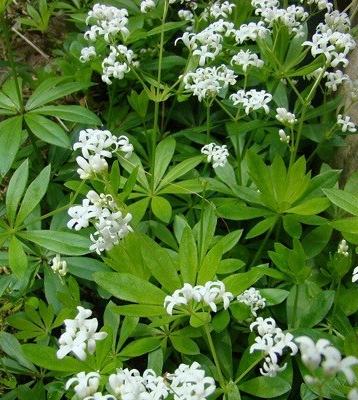
Botanical Name: Galium odoratum USDA Hardiness Zones: Zones 4-8 (perennial) Sowing Instructions: North/Central: Sow in moist humus soil under the shade of trees in November. It must experience low temperatures in winter to germinate in the following spring. Germination: Cold Stratification Required Bloom & Harvest: Next Apr - May Growing & Care: Dried foliage has a sweet hay and vanilla scent. Grow as a groundcover in moist woodland shade.

Sulphur Cosmos Seeds
Botanical Name: Cosmos sulphureus USDA Hardiness Zones: Zones 2-11 (grown as annuals) Sowing Instructions: US: Directly sow outdoors in June, and a sea of golden-orange flowers will form 50-60 days after sowing. Germination: 4 - 7 Days Bloom & Harvest: Aug - Oct Growing & Care: It is more resistant to high temperature exposure and barren drought than ordinary cosmos; seedlings emerge within 4 days of sowing in June, quickly filling the color gap in the midsummer garden.

Strawflower Seeds
Botanical Name: Xerochrysum bracteatum USDA Hardiness Zones: Zones 8-11 (short-lived perennial) Zones 2-7 (grown as annuals) Sowing Instructions: North/Central: Indoor seed starting in April (4-6 weeks before last spring frost) South/Warm Zone: Outdoor direct sowing in April Germination: 7 - 10 Days Bloom & Harvest: Jun - Oct Growing & Care: Light aids germination, and the surface is not covered with soil when pressed lightly; the bracts have a natural papery waxy feel, and the color will not fade for many years after drying. It is the largest variety of hand-dried flowers.

Spider Flower Seeds
Botanical Name: Cleome houtteana USDA Hardiness Zones: Zones 2-11 (grown as annuals) Sowing Instructions: US: Spread directly outdoors in May when the temperature difference between day and night is large and the daytime is warm. Germination: 7 - 14 Days Bloom & Harvest: Jul - Oct Growing & Care: It requires light and day and night temperatures to germinate; the plant height can reach 4-5 feet, and it is heat and drought tolerant. It is the most worry-free summer background plant in the back row of large flower borders.
Snowland / Miniature White Chrysanthemum Seeds
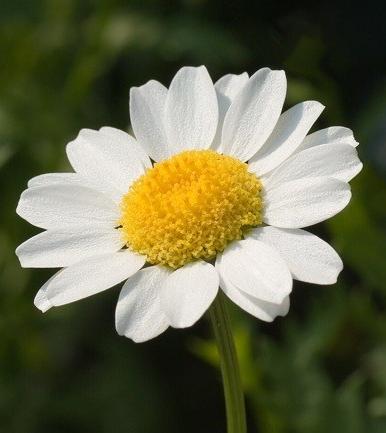
Botanical Name: Mauranthemum paludosum USDA Hardiness Zones: Zones 6-10 (Autumn sowing and overwintering early spring flowers) Sowing Instructions: South-central and West Coast: Outdoor direct seeding or seed starting in September, white gold-hearted chrysanthemums bloom in winter and spring. Germination: 7 - 12 Days Bloom & Harvest: Next Feb - May Growing & Care: The plant type is low and compact (6-8 inches tall), cold and wet-tolerant, and automatically branches into balls without pruning. It is the first choice for edging flower beds in early spring.

Strawberry Fields Gomphrena Seeds
Botanical Name: Gomphrena haageana USDA Hardiness Zones: Zones 2-11 (grown as annuals) Sowing Instructions: South Central/America: Outdoor direct sowing or planting in June, still blooming at 35°C+ high temperature in midsummer Germination: 7 - 14 Days Bloom & Harvest: Aug - Nov Growing & Care: It is native to the arid areas of Texas and Mexico in North America. Sowing in June is suitable for its high temperature habit. The red spherical inflorescences are like ripe strawberries, and the dried flowers do not fade.
Snow-on-the-Mountain Seeds
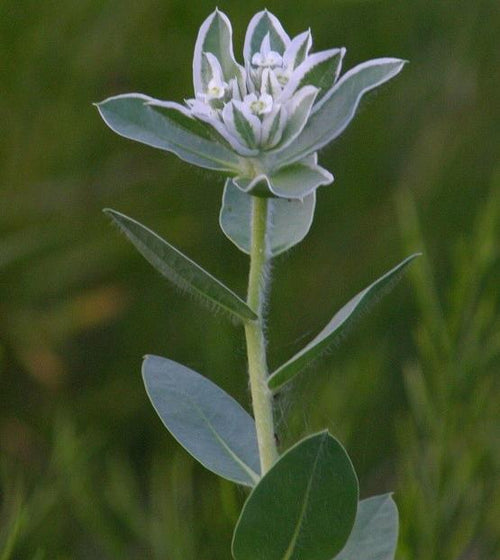
Botanical Name: Euphorbia marginata USDA Hardiness Zones: Zones 3-10 (grown as annuals) Sowing Instructions: US: direct broadcast or drill outdoor broadcasting after the last frost in May Germination: 10 - 15 Days Bloom & Harvest: Jul - Oct Growing & Care: The terminal leaves are pure white with green edges, and have a strong visual coolness in midsummer. They are an excellent cool leaf material for high-end bouquets; they are extremely drought and barren resistant.
Snapdragon Seeds
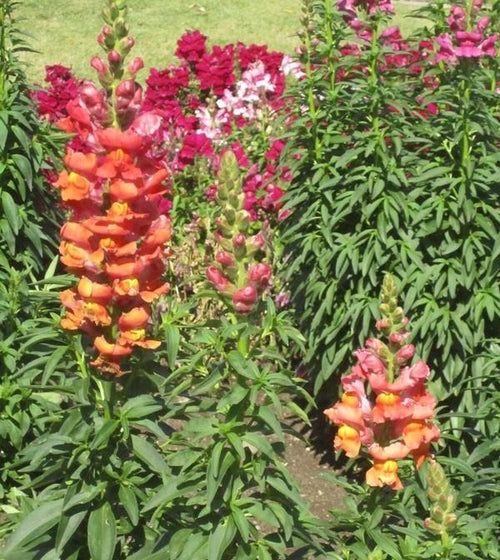
Botanical Name: Antirrhinum majus USDA Hardiness Zones: Zones 3-7 (Indoor) / 8-10 (Direct Sow) Sowing Instructions: Jan Indoor Start (10-12 wks before last spring frost) / South Direct Sow Germination: 7-14 days Bloom & Harvest: Blooms Apr - Aug (Frost-hardy cut flower) Growing & Care: Surface sow (needs light), pre-chill aids sprouting, 65°F, pinch tips

Silver Lupine / Arroyo Lupine Seeds
Botanical Name: Lupinus succulentus USDA Hardiness Zones: Zones 7-10 (direct sowing during winter rainy season) Sowing Instructions: California and the southwestern United States: Spread directly on sunny slopes before the first winter rain in November Germination: 10 - 21 Days Bloom & Harvest: Next Mar - May Growing & Care: It takes advantage of winter rain erosion and the temperature difference between day and night to naturally break out of the shell and germinate; rhizobia bacteria fix nitrogen, which is very suitable for ecological restoration of barren slopes and wildflower meadows.
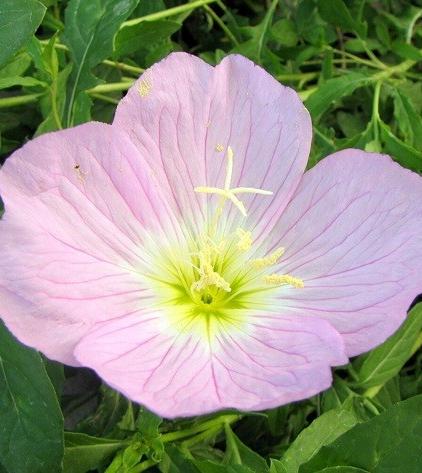
Showy Evening Primrose Seeds
Botanical Name: Oenothera speciosa USDA Hardiness Zones: Zones 4-9 (perennial) Sowing Instructions: Most areas in the US: Sow outdoors directly on sunny slopes or flower borders in April. Germination: 10 - 15 Days Bloom & Harvest: May - Sep Growing & Care: It needs light to germinate and should be sown shallowly without covering with soil. It is extremely tolerant of high temperature, drought and poor soil, and has strong creeping and spreading ability. It is suitable for large-area slope protection and wildflower ground cover.
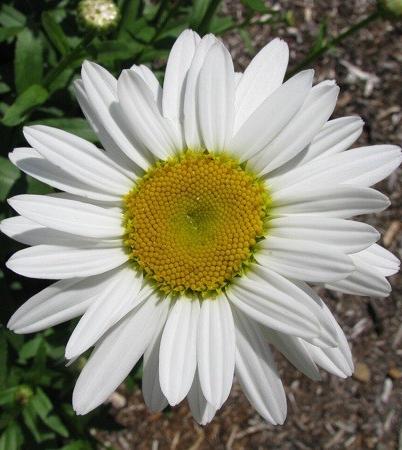
Shasta Daisy Seeds
Botanical Name: Leucanthemum × superbum USDA Hardiness Zones: Zones 4-9 (perennial) Sowing Instructions: US: Sow seedlings or direct seeding in early autumn in September. After overwintering, pure platinum-heart daisies will bloom from May to August of the following year. Germination: 10 - 14 Days Bloom & Harvest: Next May - Aug Growing & Care: Light aids germination can be sown shallowly; it is one of the most popular perennial white flowers in American gardens. It is cold and drought tolerant and easy to propagate by division and self-sowing.
