
Filters
120 products viewed

Sea Holly / Blue Glitter Eryngium Seeds
Botanical Name: Eryngium planum USDA Hardiness Zones: Zones 3-9 (perennial) Sowing Instructions: US: sow in seedbeds or cold frames in autumn in October, and will germinate neatly in early spring after experiencing low-temperature vernalization in winter. Germination: 14 - 30 Days Bloom & Harvest: Next Jun - Sep Growing & Care: Seeds need cold and moist layers to break dormancy; the taproot system is not resistant to transplanting, so it is ideal to sow directly into deep plug trays or planting sites in October.

Scarlet Sage / Tropical Sage Seeds
Botanical Name: Salvia coccinea USDA Hardiness Zones: Zones 8-11 (perennial) Zones 3-7 (spring sown annual) Sowing Instructions: Shennan District and Florida/Texas (Zones 8-11): direct sowing in late autumn and early winter in November, with continued growth and flowering in mild winter. Germination: 7 - 14 Days Bloom & Harvest: Winter-Spring Bloom (South) Growing & Care: Light-resistant seeds should be sown shallowly; red sage, native to southeastern North America, is heat and light frost tolerant and is the most important nectar source for hummingbirds in southern winter and spring.

Russell Hybrid Lupine Seeds
Botanical Name: Lupinus polyphyllus USDA Hardiness Zones: Zones 4-8 (cold-resistant perennial) Sowing Instructions: North/Central: Soak the seeds in July and then sow them in deep-root nutrient pots on demand. Plant them in autumn and overwinter. The flowers will bloom in late spring of the following year. Germination: 14 - 21 Days Bloom & Harvest: Next May - Jul Growing & Care: The seed coat is hard and needs to be lightly ground and soaked in warm water for 24 hours before sowing. Avoid damaging the taproot system and prefers cool, moist and slightly acidic soil.
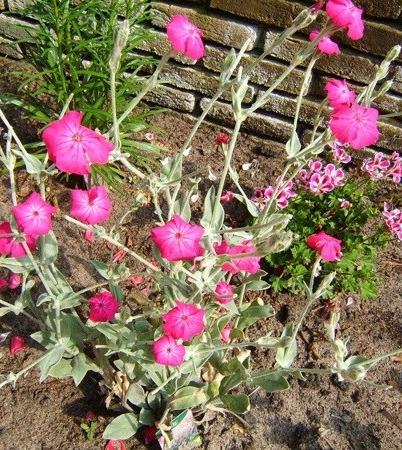
Rose Campion Seeds
Botanical Name: Silene coronaria (Lychnis coronaria) USDA Hardiness Zones: Zones 4-8 Sowing Instructions: In most areas of the US: Sow seeds outdoors or in seedbeds in July. Velvet silvery white leaves will grow that year, and magenta flowers will bloom in the following spring and summer. Germination: 10 - 15 Days Bloom & Harvest: Next May - Aug Growing & Care: The light-loving seeds are sown shallowly; the silvery white downy leaves are very ornamental even if they don't bloom. They are extremely tolerant to drought and barrenness, and deer and rabbits won't eat them.

Rosa Romantica / Thai Silk California Poppy Seeds
Botanical Name: Eschscholzia californica (Specialty Colors) USDA Hardiness Zones: Zones 6-10 Sowing Instructions: West Coast/Southwest/South: Spread directly on slopes and flower borders in September before the autumn rains come. Germination: 7 - 14 Days Bloom & Harvest: Next Mar - Jun Growing & Care: The taproot system must be sown; the double rose pink, apricot and cream white horticultural strains perform extremely well in the early spring after autumn sowing in September.

Purple Coneflower Seeds
Botanical Name: Echinacea purpurea USDA Hardiness Zones: Zones 3-9 (Hardy Medicinal Perennial) Sowing Instructions: Jan Winter jug sowing outdoors / Indoor start after 2-wk chill Germination: 10-20 days Bloom & Harvest: Blooms Jun - Sep (First-year blooms from Jan start) Growing & Care: Lightly cover 1/8 in, early Jan start yields first-year blooms

ProCut / Big Smile Dwarf Sunflower Seeds
Botanical Name: Helianthus annuus (60-Day Var.) USDA Hardiness Zones: Zones 2-11 (grown as annuals) Sowing Instructions: US: direct outdoor sowing in June, one batch every two weeks to ensure continuous cut flowers from late summer to mid-autumn. Germination: 5 - 8 Days Bloom & Harvest: Aug - Oct Growing & Care: Germination and growth are extremely fast under high temperatures in June; the pollen- free cut flower strain (ProCut) or the dwarf potted strain (Big Smile) are popular for midsummer reseeding.
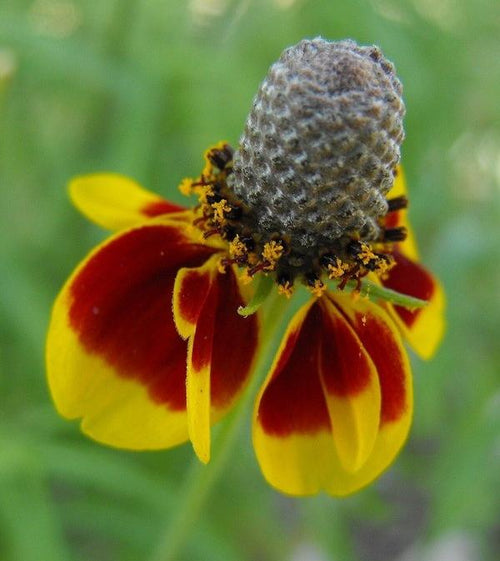
Prairie Coneflower / Mexican Hat Seeds
Botanical Name: Ratibida columnifera USDA Hardiness Zones: Zones 3-9 (Drought-Tolerant Prairie Native) Sowing Instructions: Dec Winter sowing in jugs outdoors Germination: Sprouts in April Bloom & Harvest: Blooms Jun - Sep NEXT YEAR (Sombrero petals) Growing & Care: Cover 1/8 in, rugged native thriving in dry gravelly soil

Potomac / Madame Butterfly Snapdragon Seeds
Botanical Name: Antirrhinum majus (Summer-to-Fall Crop) USDA Hardiness Zones: Zones 3-9 Sowing Instructions: North/Central: Grow seedlings indoors in a cool place in June and transplant in late July, specializing in the autumn wedding cut flower season from September to October. Germination: 7 - 14 Days Bloom & Harvest: Sep - Nov Growing & Care: Refrigeration of seeds for 48 hours before sowing can help break high-temperature dormancy; light is needed for germination; the flower spikes are thicker and richer in color than spring stubble after autumn cools.

Poppy Anemone / Windflower Seeds
Botanical Name: Anemone coronaria USDA Hardiness Zones: Zones 7-10 (open ground) Zones 4-6 (cold frame/high bay) Sowing Instructions: Temperate areas and cut flower farms: shallow sow seedlings during the low temperature period in October, and large velvet black-heart flowers bloom in winter and spring. Germination: 15 - 25 Days Bloom & Harvest: Next Feb - May Growing & Care: It likes a cool germination environment of 12-15°C; its flowers are brightly colored and have black velvet stamens, making it the main cold-resistant cut flower.

Plains Coreopsis / Dyer's Coreopsis Seeds
Botanical Name: Coreopsis tinctoria USDA Hardiness Zones: Zones 2-11 (grown as annuals) Sowing Instructions: US: Directly sow outdoors in June, and small red hearts and gold-rimmed flowers will bloom 60 days after sowing. Germination: 5 - 10 Days Bloom & Harvest: Aug - Oct Growing & Care: The seeds are light-resistant and do not need to be covered with soil; they are resistant to moisture and drought. The petals are a traditional natural orange- yellow plant dye in North America and attract a large number of pollinating bees.

Pincushion Flower Seeds
Botanical Name: Scabiosa atropurpurea USDA Hardiness Zones: Zones 3-10 (annual/overwintering) Sowing Instructions: North/Central: Indoor seedlings 6-8 weeks before last spring frost (late February) Pacific Coast: Spring sowing can be done directly in February Germination: 10 - 14 Days Bloom & Harvest: Jun - Oct Growing & Care: It likes full sun and well-drained slightly alkaline soil; its flowers are rich in nectar, making it a popular variety in cut flower farms and pollinator gardens.

Persian Buttercup / Ranunculus Seeds
Botanical Name: Ranunculus asiaticus USDA Hardiness Zones: Zones 7-10 (wintering in the open) Zones 4-6 (cold shed seedlings) Sowing Instructions: West coast/southern and cold shed cultivation areas: shallow sowing and seedling cultivation under low temperature and humid conditions of 10-15°C in October Germination: 14 - 21 Days Bloom & Harvest: Next Mar - May Growing & Care: Seeds must germinate under cool, moist and diffuse light conditions at 10-15°C (enter thermal dormancy above 20°C); top cut flowers for spring weddings.

Peach-Leaved Bellflower Seeds
Botanical Name: Campanula persicifolia USDA Hardiness Zones: Zones 3-8 (perennial) Sowing Instructions: North/Central: shallow sow seedlings in July, transplant and establish in autumn, blue and white cup-shaped bell flowers bloom in June of the following year Germination: 14 - 21 Days Bloom & Harvest: Next Jun - Jul Growing & Care: The seeds are very light and very small, sowing surface is moisturizing; tolerant to semi- shade, the flower stems are tall and elegant.

New England Aster Seeds
Botanical Name: Symphyotrichum novae-angliae USDA Hardiness Zones: Zones 3-8 (perennial) Sowing Instructions: North/Central: direct outdoor broadcasting or winter sowing in seedling boxes (Winter Sowing) in November, requiring 60 days of low temperature and cold stratification Germination: Spring Emergence Bloom & Harvest: Next Aug - Oct Growing & Care: Seeds must undergo cold winter stratification in order to germinate at a high rate; purple-red gold-heart flowers bloom in late autumn and are the last supply station for monarch butterflies migrating south.

Painted Daisy / Pyrethrum Seeds
Botanical Name: Tanacetum coccineum USDA Hardiness Zones: Zones 3-7 (cold tolerant perennial) Sowing Instructions: North/Central: Sowing and raising seedlings in July, planting in autumn, fresh pink and deep red daisies bloom in early summer of the following year Germination: 10 - 20 Days Bloom & Harvest: Next May - Jul Growing & Care: It likes full sun and well-drained soil; its fern-like pinnate leaves are beautiful, and its flowers are rich in natural pyrethrins. It has both high-looking cut flowers and organic insect repellent effects.

Moss Rose / Portulaca Seeds
Botanical Name: Portulaca grandiflora USDA Hardiness Zones: Zones 3-11 (Drought-tolerant Annual) Sowing Instructions: May Surface sow outdoors Germination: 7-10 days Bloom & Harvest: Blooms Jun - Oct in full sun Growing & Care: Surface sow (needs light), loves heat and poor gravelly soil

Moonflower / Evening Glory Seeds
Botanical Name: Ipomoea alba USDA Hardiness Zones: Zones 10-11 (perennial) Zones 3-9 (grown as annuals) Sowing Instructions: US: Sowing outdoors in May after the last frost and when the soil is warm (seed coats lightly soaked for 12 hours) Germination: 7 - 14 Days Bloom & Harvest: Jul - Oct Growing & Care: The large pure white flowers, which can reach 5-6 inches in diameter, unfold within a few minutes at dusk and emit rich tuberose fragrance. They are often mixed with morning- blooming morning glories.

Money Plant / Honesty Seeds
Botanical Name: Lunaria annua USDA Hardiness Zones: Zones 4-9 Sowing Instructions: US: Sow directly in semi-shady place in August. After overwintering, purple flowers will bloom in the following spring, and translucent mother-of-pearl pods will appear in summer and autumn. Germination: 10 - 14 Days Bloom & Harvest: Spring Bloom / Fall Pods Growing & Care: It must undergo low-temperature vernalization in winter before it can bloom and bear pods; its silvery-white translucent fruits are like natural fritillary silver coins and are an evergreen type of dried flower decoration in North America in autumn and winter.

Mexican Sunflower Seeds
Botanical Name: Tithonia rotundifolia USDA Hardiness Zones: Zones 3-11 Sowing Instructions: Jun Direct Sow (Heat/drought champion) Germination: 7-10 days Bloom & Harvest: Blooms Aug - Nov (Monarch magnet) Growing & Care: Grows 6-8 ft tall, cover 1/4 in, attracts butterflies

McKana Giants Columbine Seeds
Botanical Name: Aquilegia caerulea × chrysantha USDA Hardiness Zones: Zones 3-9 (perennial) Sowing Instructions: North/Central: In December, the American "milk bucket winter sowing method (Winter Sowing)" is used to naturally stratify outdoors in the snow, or refrigerated indoors for germination. Germination: 14 - 28 Days Bloom & Harvest: May - Jul Growing & Care: Light aids germination; December is the launch month of "Winter Sowing (transparent bucket snow sowing)" in the American gardening circle, and columbine is the representative variety with the highest success rate.

Maltese Cross / Scarlet Lychnis Seeds
Botanical Name: Lychnis chalcedonica USDA Hardiness Zones: Zones 3-8 (extremely cold-resistant perennial) Sowing Instructions: North/Central: Sowing in outdoor winter sowing boxes or raising seedlings indoors in December, cold-resistant up to -40°C Germination: 14 - 21 Days Bloom & Harvest: Jun - Aug Growing & Care: The seeds are photophilic; the petals are in the shape of a unique Maltese cross, and the red bulbs have a strong visual impact in the green flower border.

Madagascar Periwinkle / Vinca Seeds
Botanical Name: Catharanthus roseus USDA Hardiness Zones: Zones 10-11 (perennial) Zones 3-9 (grown as annuals) Sowing Instructions: North/Central: Seedlings are raised in a dark indoor heated propagator 8-10 weeks before last spring frost (March) Southern zone: Planting after ground temperature rises in April Germination: 7 - 14 Days Bloom & Harvest: Jun - Oct Growing & Care: Seeds that are completely photophobic must be covered with soil to block light and germinate at a high temperature of 24-26°C. Avoid standing in water and low temperatures during the seedling stage, and the adult plants are extremely tolerant of heat and drought.

Love-Lies-Bleeding / Tassel Amaranth Seeds
Botanical Name: Amaranthus caudatus USDA Hardiness Zones: Zones 2-11 (grown as annuals) Sowing Instructions: North/Central: Indoor seedlings 4-6 weeks before last spring frost (late March) Southern District: Outdoor direct sowing after the last frost Germination: 7 - 10 Days Bloom & Harvest: Jul - Oct Growing & Care: It likes full sunshine and warm soil; it hangs like long spikes of red velvet, which is very dramatic. It is a popular cut flower for retro gardens and floral arrangements in North America.
