
The Ultimate Guide to Pruning Shears: How to Choose & Use Them Right
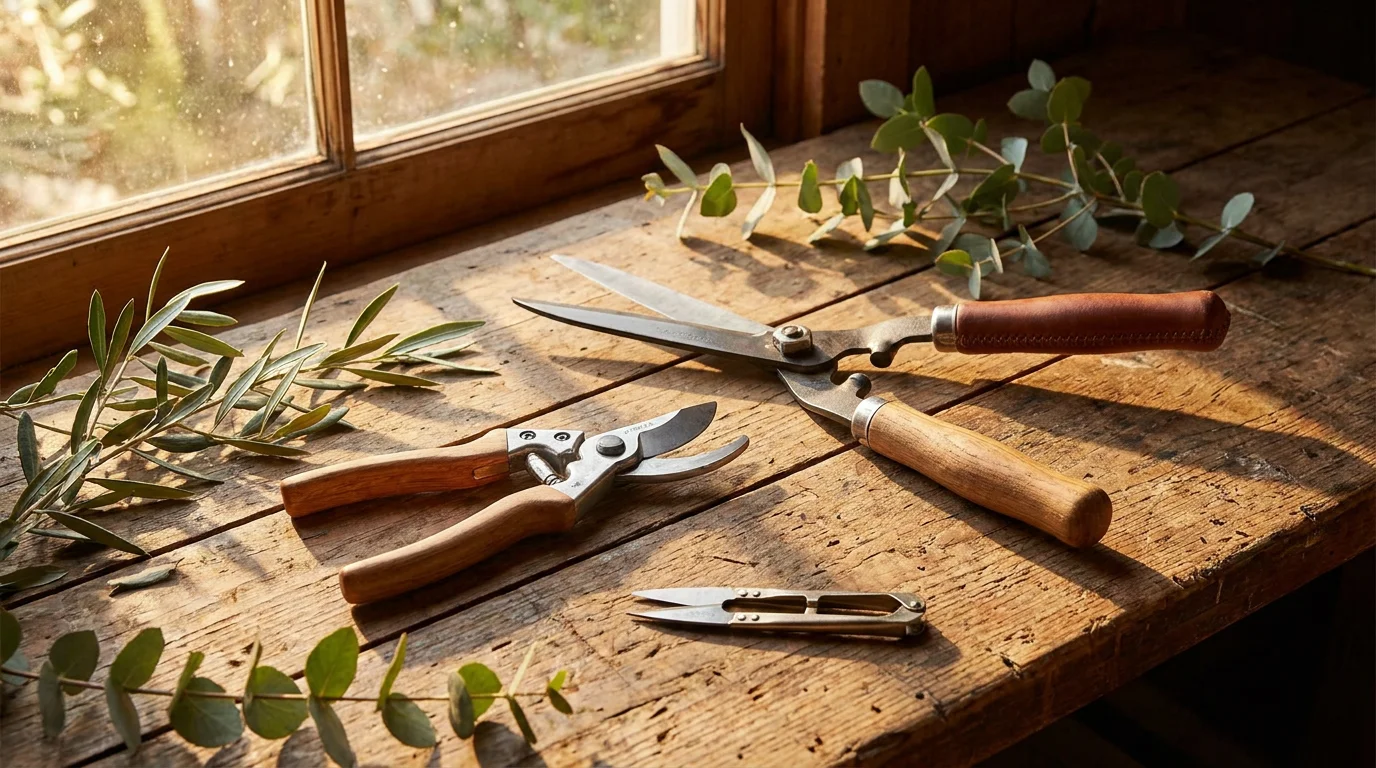
A good pair of pruning shears is the single most-used tool in any serious gardener's kit. Yet most people grab whatever's cheapest — and then wonder why their plants aren't thriving. The right shears make clean cuts that heal faster, reduce disease risk, and actually make pruning enjoyable. Here's everything you need to know.
The Three Types of Pruning Shears
1. Bypass Pruners
The gold standard for living plants. Two curved blades pass each other like scissors, making a clean, precise cut that minimizes cell damage. Use these for stems up to ¾ inch thick — roses, perennials, soft shrubs, and most garden plants.
2. Anvil Pruners
A single straight blade closes onto a flat anvil plate. They deliver more crushing force, making them great for deadwood and dried stems. However, they can bruise living plant tissue, so avoid using them on fresh green growth.
3. Ratchet Pruners
Built for those with limited hand strength. The ratchet mechanism lets you cut in stages — squeeze, release, squeeze again — without forcing the blade through in one motion. Ideal for arthritis sufferers or anyone tackling thick, tough stems.
5 Things to Look for When Buying Pruning Shears
- Blade material: SK5 high-carbon steel holds an edge longer and resists rust better than cheap alloy blades. Look for a Rockwell hardness rating of 56–60 HRC.
- Spring mechanism: A coiled or flat spring that opens the blades automatically reduces hand fatigue significantly during long pruning sessions.
- Safety lock: A locking mechanism that holds blades closed when not in use. Essential for safe storage and transport.
- Handle ergonomics: Cushioned, non-slip grips prevent blisters. Some handles are designed for both right- and left-handed use — check before buying.
- Replaceable parts: Premium shears have replaceable blades and springs. This extends the tool's life by years and saves money long-term.
How to Use Pruning Shears Correctly
Even the best shears won't help if you use them wrong. Follow these principles:
- Cut at the right angle: Make cuts at a 45° angle, sloping away from the bud. This prevents water pooling on the cut surface, which causes rot.
- Cut just above a node: Always cut ¼ inch above a leaf node or bud. Too close damages the bud; too far leaves a dead stub that invites disease.
- Don't twist: If the branch is too thick to cut cleanly, use loppers or a pruning saw instead. Twisting pruners damages both the tool and the plant.
- One cut, one motion: A single clean cut beats multiple tentative snips. Commit to the cut.
Maintenance: How to Keep Shears Sharp for Years
- Clean after every use: Wipe blades with a cloth dampened with rubbing alcohol to remove sap and kill pathogens that spread plant disease.
- Oil the pivot point: One drop of mineral oil or 3-in-1 oil on the hinge prevents rust and keeps the action smooth.
- Sharpen regularly: Use a whetstone or diamond file at a consistent angle along the beveled edge. Four to six strokes per session is usually enough.
- Winter storage: Clean, oil, and lock blades before storing. Keep in a dry place — moisture is the enemy of steel.
The Right Tool for the Right Job
No single pair of shears does everything. A well-equipped gardener typically keeps:
- Bypass pruners for everyday cutting
- Hedge shears for topiary and hedge shaping
- Fruit-picking scissors for delicate harvest work
At Vyrgromm, every cutting tool we carry is selected for blade quality, ergonomic design, and long-term durability. Whether you're shaping a rose bush or harvesting herbs, the right shears make all the difference.
Ready to upgrade your toolkit? Browse our full range of professional-grade pruning tools at vyrgromm.com.