
The Mid-Summer Pruning Guide: How to Keep Your Garden Shape and Vitality
By mid-July, many garden plants can start to look a little overgrown or "tired." While major pruning is often reserved for late winter, mid-summer pruning is essential for maintaining air circulation, encouraging a second flush of blooms, and keeping your garden tidy. Here’s how to do it correctly.
1. Pruning Perennial Herbs
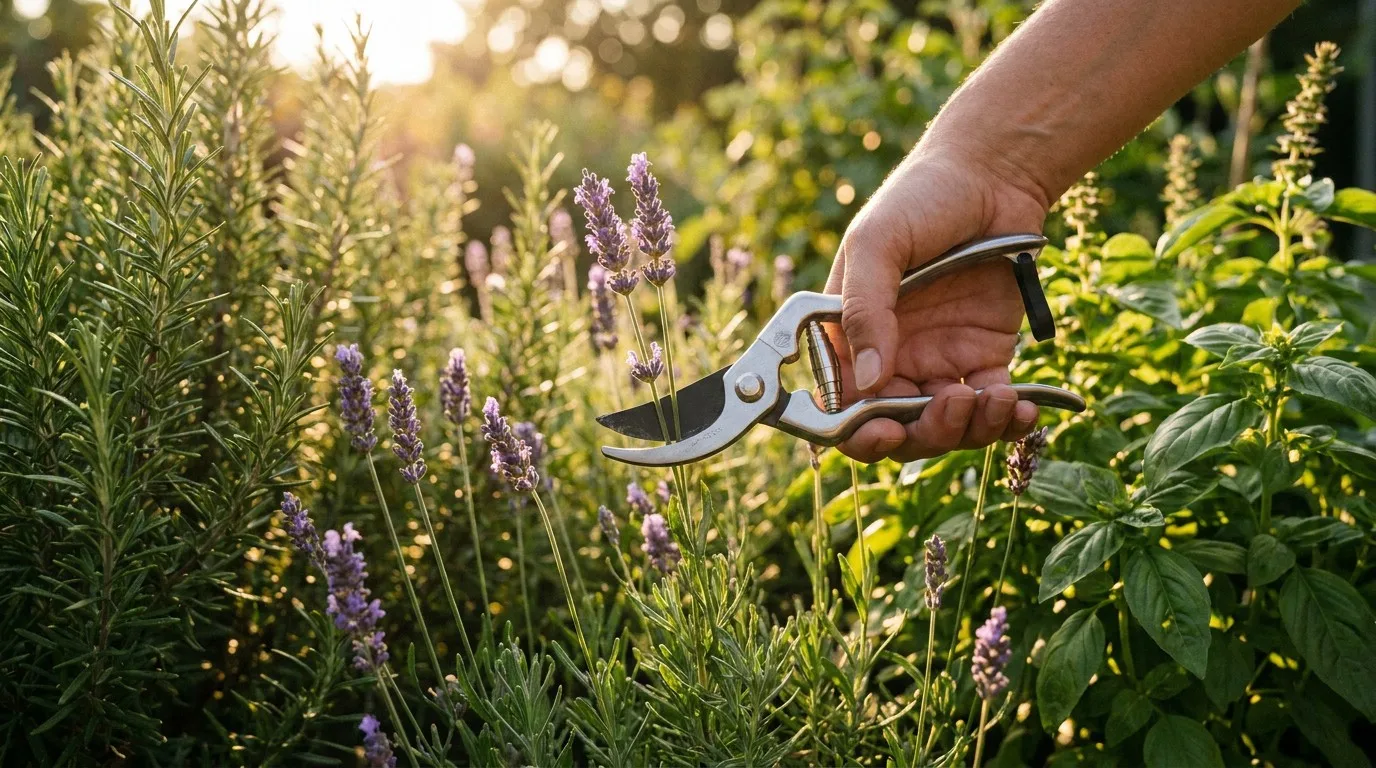
Herbs like lavender, rosemary, and sage benefit from a light trim after their first major flowering. For lavender, snip off the spent flower spikes down to the first two sets of green leaves. Avoid cutting into the woody stems, as they rarely regenerate. This light trim helps the plant maintain a compact, rounded shape and prevents it from becoming leggy.
2. Deadheading for Continuous Bloom
Removing faded flowers from roses, zinnias, and marigolds is technically a form of pruning. By removing the seed heads, you signal the plant to redirect its energy from seed production back into creating more flowers. For many perennials, this simple task can extend the blooming season by weeks.
3. Thinning for Air Circulation
In high humidity, dense foliage can lead to powdery mildew and other fungal issues. Mid-summer is the perfect time to thin out the internal branches of large shrubs or dense tomato plants. Removing the "suckers" from the base of tomato plants not only improves air circulation but also helps the plant focus its energy on ripening the fruit at the top.
4. The Tools of the Trade
A clean, sharp cut heals much faster than a torn edge. Always use professional-grade bypass pruning shears for living tissue. Our Bypass Pruning Shears 130T feature SK5 high-carbon steel blades designed for exactly this type of precision work.
At Vyrgromm, we believe that gardening is a continuous conversation with nature. A little bit of care today ensures a beautiful, healthy harvest all the way through autumn.
Ready to tidy up your garden? Explore our collection of professional cutting tools and gardening sets at vyrgromm.com.