
The Art of Deadheading: How to Keep Your Garden in Bloom All Summer
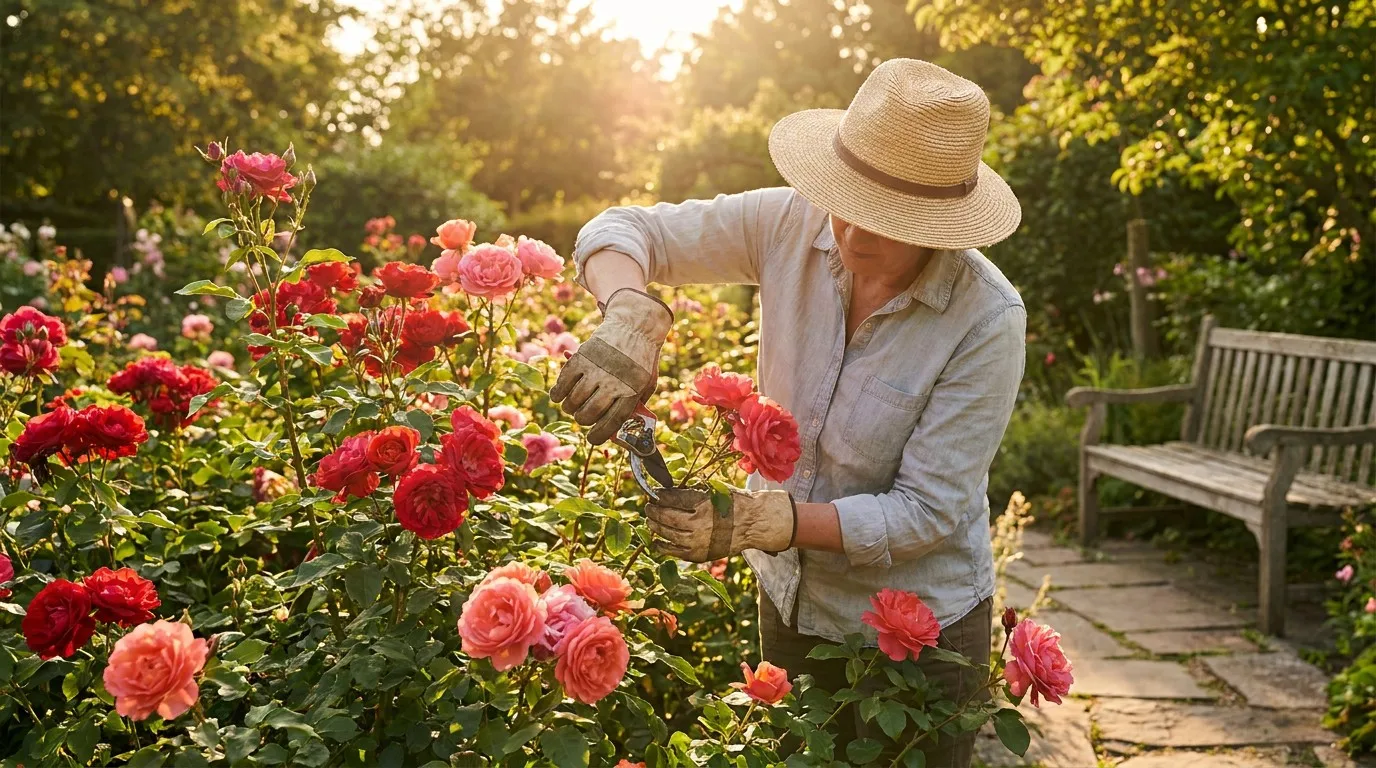
Deadheading — removing spent flowers before they set seed — is the single most impactful thing you can do to extend your garden's bloom season. For most flowering plants, it can double or even triple the number of weeks they flower. Here's everything you need to know to do it correctly.
Why Deadheading Works
Every flowering plant has one biological goal: produce seeds to reproduce. Once a flower is pollinated and begins forming seeds, the plant considers its reproductive job done and slows flower production. Deadheading removes the seed-forming structure before this signal is complete, tricking the plant into producing more flowers in another attempt to set seed. Done consistently, this cycle can continue for months.
When to Deadhead
Deadhead as soon as individual flowers fade — before petals drop and the seed head begins to form. On plants with multiple flowers per stem (roses, dahlias), deadhead individual blooms as they fade. On plants where the entire stem flowers at once (delphiniums, lupins, foxgloves), cut the entire stem back once all flowers have faded.
How to Deadhead Different Plants
Roses
Cut the stem back to just above the first set of five leaflets below the spent bloom. Make a clean cut at a 45° angle, sloping away from the bud. This directs new growth energy into the developing bud rather than a stub that will die back.
Dahlias & Zinnias
Cut the stem all the way back to just above a lateral bud or leaf junction. Don't just snap off the flower head — removing just the spent bloom leaves a stub that dies back, and the plant directs energy into healing that stub rather than producing new flowers.
Lavender
After the first flush of flowers, trim the spent spikes back by about one-third of the green growth. Never cut into old woody growth — it won't regenerate. This light trim encourages a second flush of bloom later in summer.
Perennials (Echinacea, Rudbeckia, Salvia)
Remove spent blooms throughout summer, but leave some seed heads on in late summer for birds and as winter structure in the garden. Many gardeners deadhead until late August, then allow the final flush to set seed naturally.
Annuals (Petunias, Marigolds, Cosmos)
These are the plants that benefit most dramatically from deadheading. Remove spent blooms every few days — they can bloom almost continuously from planting until frost if deadheaded consistently. For petunias specifically, occasional hard trimming (cutting back by half) resets the plant and triggers a fresh flush of growth and bloom.
Plants NOT to Deadhead
Some plants provide more value with their seed heads left intact:
- Alliums — the architectural seed heads are as beautiful as the flowers
- Nigella — decorative inflated seed pods extend the season
- Echinacea — goldfinches love the seed heads in autumn and winter
- Honesty (Lunaria) — the silvery seed pods are the main attraction
The Right Tool Matters
For most deadheading, a pair of bypass pruning shears or precision garden scissors is ideal. Clean, sharp cuts heal faster and don't crush plant tissue. Our Bypass Pruning Shears 130T and Fruit Picking Scissors 912 are both perfectly suited for deadheading work — lightweight, precise, and comfortable for sustained use.
Ten minutes of deadheading three times a week through summer will transform a garden that blooms for six weeks into one that blooms for six months.