
Summer Mulching Secrets: The One Task That Saves Your Garden from the Heat
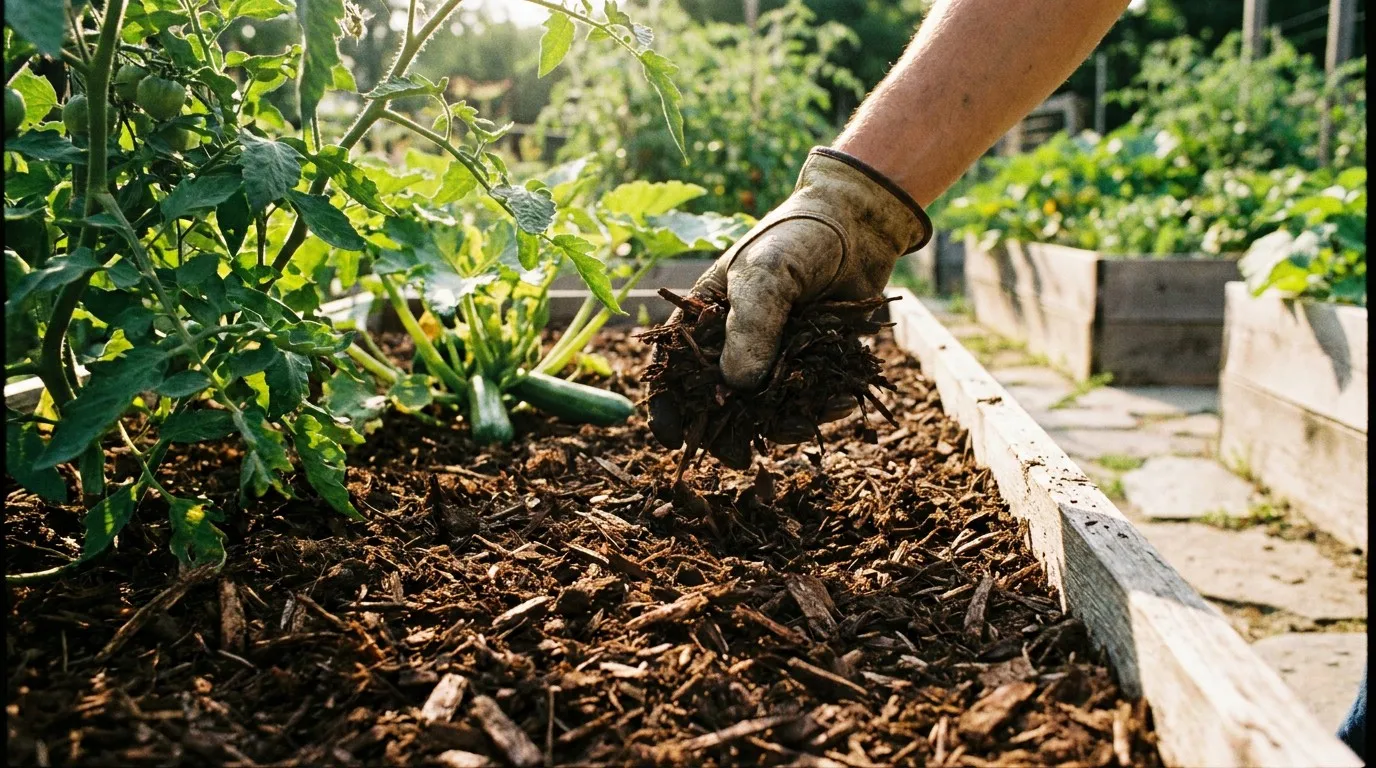
As summer temperatures climb, your garden soil faces its biggest challenge. Intense sun and heat can bake the earth, evaporate moisture in minutes, and stress even the hardiest plants. The solution? Mulching. It’s the single most effective way to protect your plants, save water, and reduce your gardening workload all at once.
What is Mulching?
Mulching is the practice of covering the soil surface with a layer of organic or inorganic material. In the summer, organic mulches like wood chips, straw, shredded leaves, or compost are the gold standard. They don’t just sit there—they actively improve your garden’s health.
1. Temperature Regulation
Bare soil can reach temperatures over 100°F (38°C) in direct sun, which can cook delicate feeder roots. A 3-inch layer of mulch acts as an insulator, keeping the soil significantly cooler. Think of it as a cozy blanket that keeps the "feet" of your plants comfortable even when the air is scorching.
2. Moisture Retention
Without mulch, up to 70% of the water you apply to your garden can evaporate before it ever reaches the roots. Mulch creates a barrier that traps moisture in the soil, meaning you can water less frequently. For the water-conscious gardener, this is a game-changer.
3. Weed Suppression
Weeds are more than an eyesore—they compete with your plants for water and nutrients. Most weed seeds need light to germinate. A thick layer of mulch blocks that light, preventing 80-90% of weed seeds from ever sprouting. Fewer weeds mean more energy for your vegetables and flowers.
4. Soil Building
Organic mulches slowly break down over time, feeding earthworms and beneficial soil microorganisms. As they decompose, they add vital organic matter back into the soil, improving its structure and fertility for next season.
How to Mulch Correctly
- Clean first: Pull existing weeds before applying mulch.
- Depth matters: Aim for a layer 2 to 3 inches deep. Too thin, and it won't block weeds or hold moisture. Too thick (over 4 inches), and it can prevent rain from reaching the soil.
- Give it space: Keep mulch a few inches away from the stems of plants and trunks of trees to prevent rot and pest issues.
- Water first: Apply mulch to moist soil to "lock in" the hydration.
At Vyrgromm, we believe in gardening with nature, not against it. By mulching your garden this July, you’re creating a resilient, self-sustaining ecosystem that will thrive until the autumn harvests.
Ready to upgrade your garden care? Explore our range of high-quality tools and seed kits at vyrgromm.com.