
Summer Garden Checklist: 10 Things to Do in Your Garden This Weekend
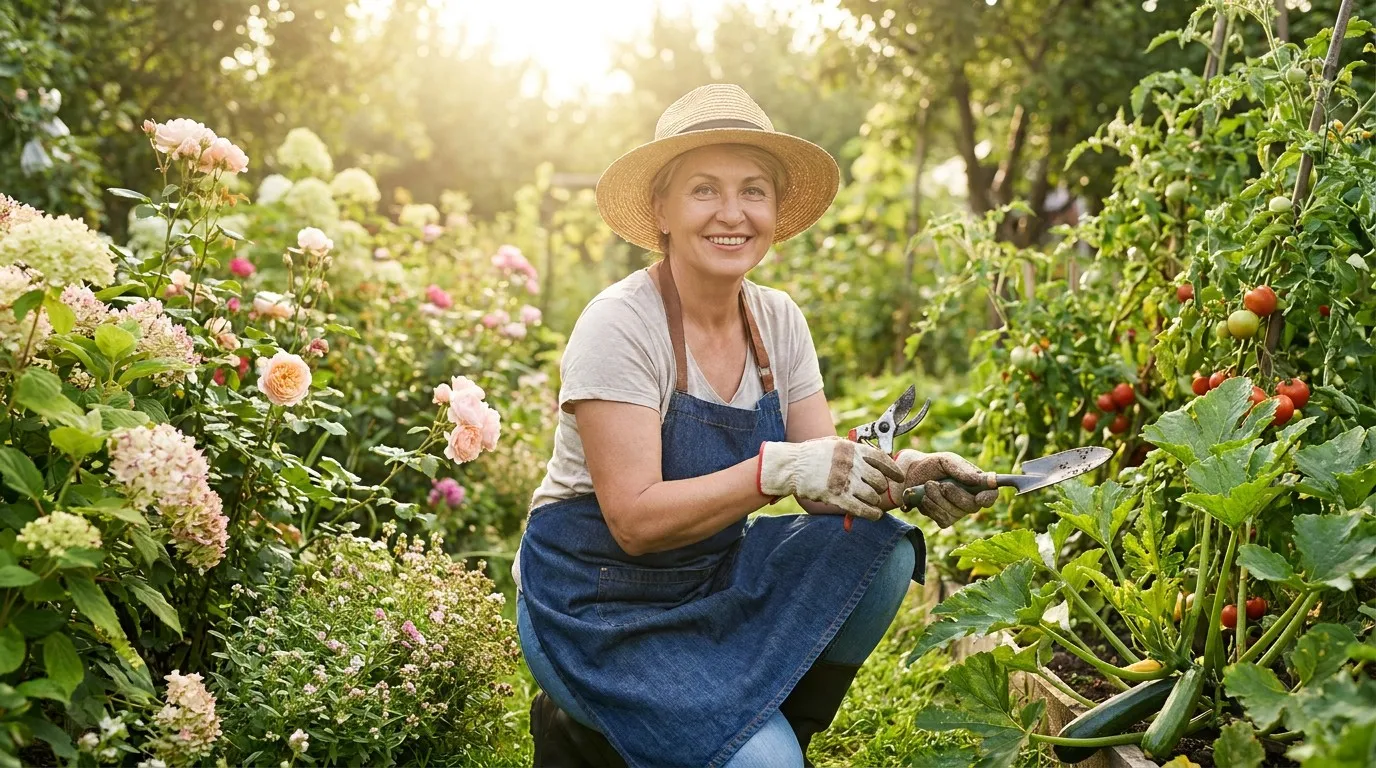
Summer is the most demanding — and most rewarding — season in the garden. The heat is on, plants are growing fast, and a single weekend of focused attention can make the difference between a thriving garden and an overgrown mess. Here are 10 high-impact tasks to tackle this weekend, in order of priority.
1. Deep-Water Everything
Summer heat means soil dries out fast. Before you do anything else, give your garden a thorough, deep watering — 30 to 60 minutes at low pressure, enough to penetrate 6 inches into the soil. Use a watering wand to reach the base of plants without wetting foliage. Deep watering once or twice a week is far better than a daily surface sprinkle that never reaches the roots.
2. Add or Refresh Mulch
If your mulch layer has thinned to less than 2 inches, top it up immediately. A 3-inch layer of wood chips or straw cuts water loss by up to 50% and keeps soil temperatures 10–15°F cooler than bare ground. This single step reduces your watering workload for the rest of summer.
3. Deadhead Spent Flowers
Spent blooms signal a plant to stop producing flowers and start producing seeds. Remove them with bypass pruning shears and your plants will redirect energy into fresh blooms. This is especially important for roses, dahlias, zinnias, and marigolds — deadhead weekly for continuous color through fall.
4. Harvest What's Ready
Zucchini, cucumbers, and beans go from perfect to overripe in 48 hours in summer heat. Harvest every 2 days. Leaving overripe produce on the plant tells it to slow down production. Use fruit-picking scissors for clean cuts that don't damage the plant.
5. Check for Pests
Spend 10 minutes inspecting the undersides of leaves — that's where aphids, spider mites, and caterpillar eggs hide. Catch problems early and hand-pick or spray with insecticidal soap before populations explode. Japanese beetles, squash vine borers, and tomato hornworms are at peak activity in summer.
6. Tie Up and Support Tall Plants
Tomatoes, dahlias, tall zinnias, and climbing beans all need support as they grow heavy with foliage and fruit. Check stakes and cages now — a summer storm can topple unsupported plants overnight. Use soft garden twine to tie loosely, leaving room for stem growth.
7. Trim Overgrown Edges
Clean bed edges take 20 minutes and make the entire garden look like it received hours of attention. Use a half-moon edger or sharp spade along lawn/bed boundaries. While you're at it, trim any hedge or shrub that's overstepping its space with hedge shears.
8. Feed Heavy Feeders
Tomatoes, peppers, and roses are heavy feeders that exhaust soil nutrients quickly in summer. Apply a slow-release fertilizer or compost top-dressing now to sustain production through August. Leafy greens and herbs benefit from a liquid nitrogen-rich feed every 2–3 weeks.
9. Weed Before Seeds Set
Any weed that's flowering is about to release hundreds of seeds into your soil seed bank. Pull or hoe weeds now, before they set seed. Focus on the worst offenders — bindweed, thistle, and purslane — that will spread aggressively if left for another week.
10. Plan Your Fall Planting
It sounds early, but late June is exactly the right time to order fall vegetable seeds and start planning autumn beds. Broccoli, kale, chard, and spinach need to be started indoors in July for fall harvests. Order now before popular varieties sell out.
A productive weekend in the garden doesn't require all day — even two focused hours working through this list will set your garden up for a strong second half of summer.
Find all the tools you need for a great gardening weekend at vyrgromm.com — pruning shears, watering wands, harvest scissors, and more.