
Peak Flavor: The Expert's Guide to Harvesting Your Summer Bounty
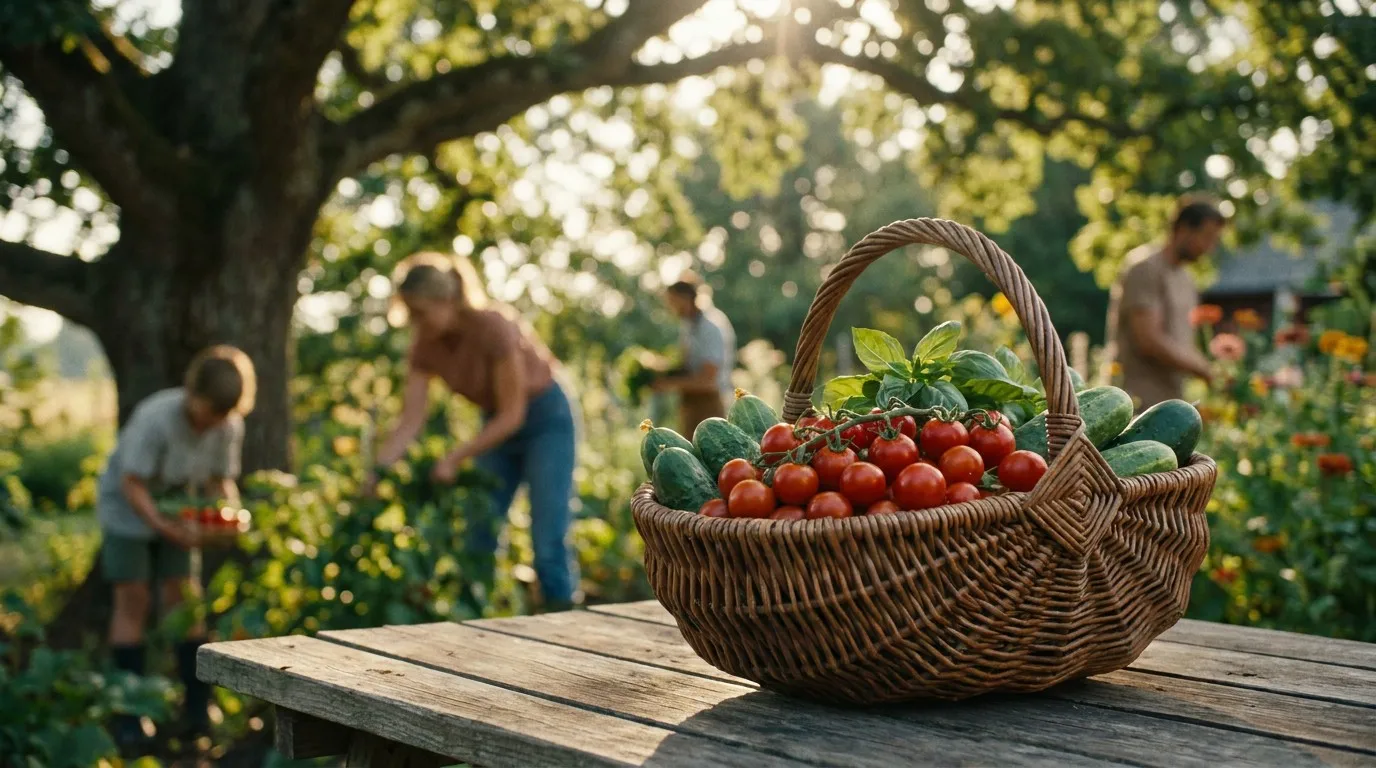
The moment every gardener waits for has arrived: peak harvest season. But knowing exactly *when* to pick your produce can be the difference between a mediocre meal and a culinary masterpiece. Here is your expert guide to harvesting the most common summer crops at their absolute peak.
1. Tomatoes: The Visual and Tactile Test
Wait for the fruit to be fully colored all the way to the stem. A ripe tomato should feel heavy for its size and have a slight "give" when gently pressed. If a frost is coming or heavy rain is predicted, pick them at the "breaker" stage (half-colored) and let them finish ripening on a sunny windowsill—this prevents cracking.
2. Cucumbers: Bigger is Not Better
For slicing cucumbers, harvest when they are 6-8 inches long. For pickling types, 2-4 inches is ideal. If you wait until they turn yellow, they become bitter and seedy. Check your vines every single day—cucumbers can grow an inch or more in 24 hours during July.
3. Summer Herbs: Morning is the Secret
Always harvest your basil, mint, and cilantro in the early morning, just after the dew has dried but before the sun gets high. This is when the essential oils—the source of all that flavor and aroma—are most concentrated in the leaves.
4. Beans and Peas
Harvest snap beans when the pods are firm and snap easily, but before the seeds inside start to bulge significantly. Regular harvesting signals the plant to keep producing new flowers, extending your season by weeks.
Maximize your garden's potential with professional tools and advice from vyrgromm.com. From harvest scissors to precision watering, we have you covered.