
Reading Your Plants: 8 Things Your Garden Is Trying to Tell You
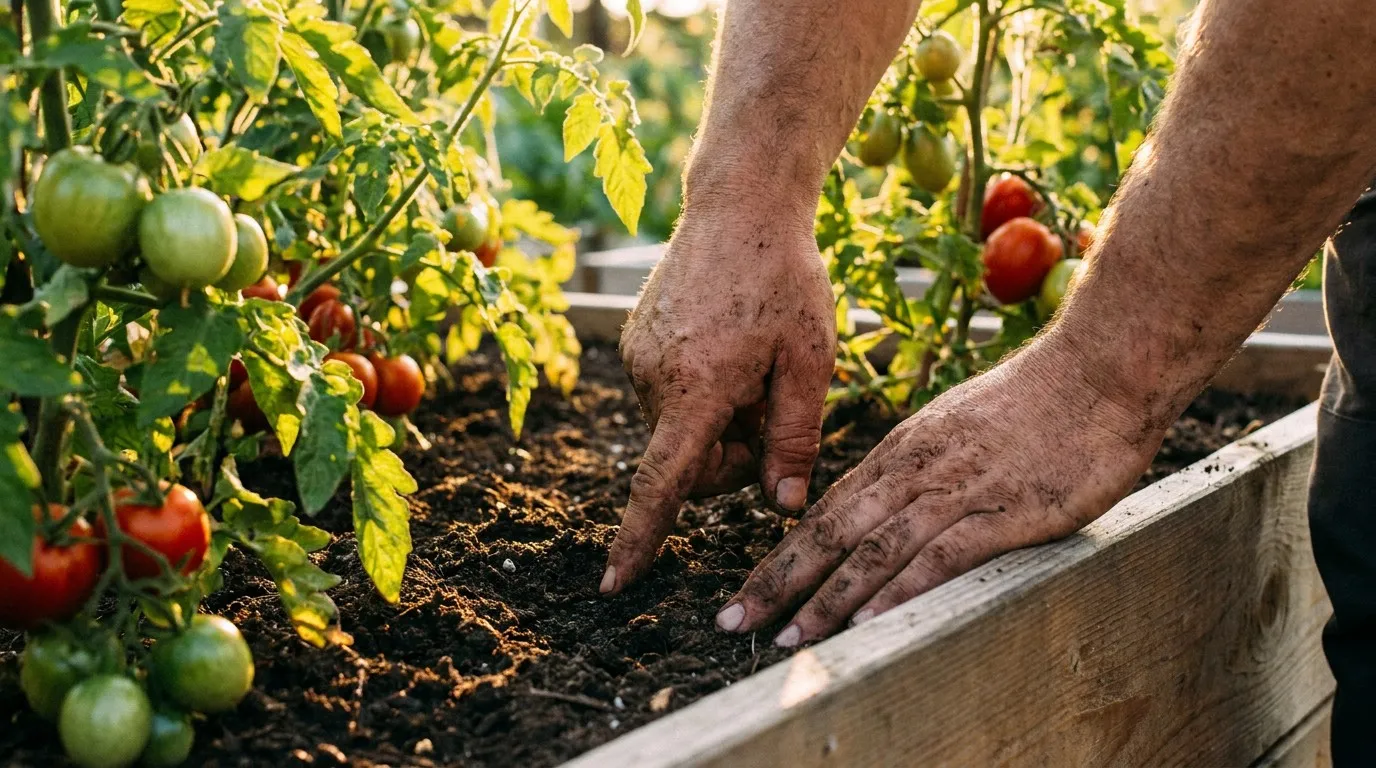
Plants can't speak, but they communicate constantly — through their leaves, stems, roots, and growth patterns. Learning to read these signals turns you from a reactive gardener (fixing problems after they're serious) into a proactive one (catching issues before they cause real damage). Here are eight things your garden is trying to tell you.
1. Yellow Leaves: Multiple Possible Causes
Yellowing is the garden's most common distress signal, but the pattern matters enormously:
- Oldest leaves yellow first, moving upward: Nitrogen deficiency — the plant is cannibalizing older tissue to feed new growth
- Yellowing between leaf veins (veins stay green): Iron or manganese deficiency, usually caused by high soil pH locking out nutrients
- Entire leaves turn pale yellow uniformly: Overwatering or waterlogged roots
- Yellow with brown tips: Often potassium deficiency or fertilizer burn
2. Wilting in the Morning: Serious Root Problem
Midday wilting in summer heat is normal — plants close leaf pores to conserve water. But wilting in the cool of morning is a red flag. Check: is the soil wet? If yes, the roots are damaged (root rot, pests, or compaction), not the water supply. If soil is dry, water immediately. Morning wilting with moist soil means the root system can no longer supply water — act quickly.
3. Stunted Growth Despite Good Conditions
If a plant has adequate water, light, and fertilizer but refuses to grow, think roots. Likely causes: soil pH out of range (locking out nutrients), compacted soil preventing root expansion, root-bound container, or root-feeding pests (vine weevil grubs, nematodes). Pull the plant — healthy roots are white and firm; damaged roots are brown, mushy, or absent.
4. Holes in Leaves
The shape and location of holes tell you who's eating:
- Irregular holes with slime trails: Slugs and snails (worse after rain)
- Ragged holes in leaf edges: Caterpillars — check undersides of leaves for eggs or feeding larvae
- Small round holes: Flea beetles (common on brassicas)
- Skeletonized leaves (veins intact): Japanese beetles or sawfly larvae
5. Sticky Residue on Leaves
Honeydew — the sticky excretion of sap-feeding insects. Look for aphids, scale insects, mealybugs, or whitefly. The honeydew itself also encourages sooty mold (a black fungal coating). Treat the insects and the mold will clear naturally as the plant produces new growth.
6. Powdery White Coating on Leaves
Powdery mildew — a fungal disease that thrives in warm days and cool nights with poor air circulation. Unlike most fungi, it doesn't need wet leaves to spread. Affected leaves won't recover, but you can stop spread by: improving air circulation (thin crowded stems), watering at soil level, applying a bicarbonate spray, or removing severely affected growth.
7. Blossom Drop Without Fruit
Flowers appear but fall off before setting fruit — common in tomatoes, peppers, and squash. Causes: temperature extremes (nights below 55°F or days above 95°F), low humidity, inconsistent watering, or lack of pollination. Shake flowering stems gently daily to simulate wind-pollination indoors, and maintain even soil moisture.
8. Leggy, Stretched Growth
Long, weak stems reaching toward light — not a pest or disease but a light deficiency. The plant is growing aggressively toward a distant light source. Move to a brighter location or supplement with a grow light. Leggy seedlings should be transplanted deeper (tomatoes especially can root from buried stems) to compensate.
Learning to read these signals takes one season of close observation. After that, you'll spot problems in the earliest stages — when a small adjustment prevents a large disaster.
Explore our garden tools and care supplies at vyrgromm.com.