
How to Design a Low-Maintenance Summer Garden: Beauty Without the Burnout
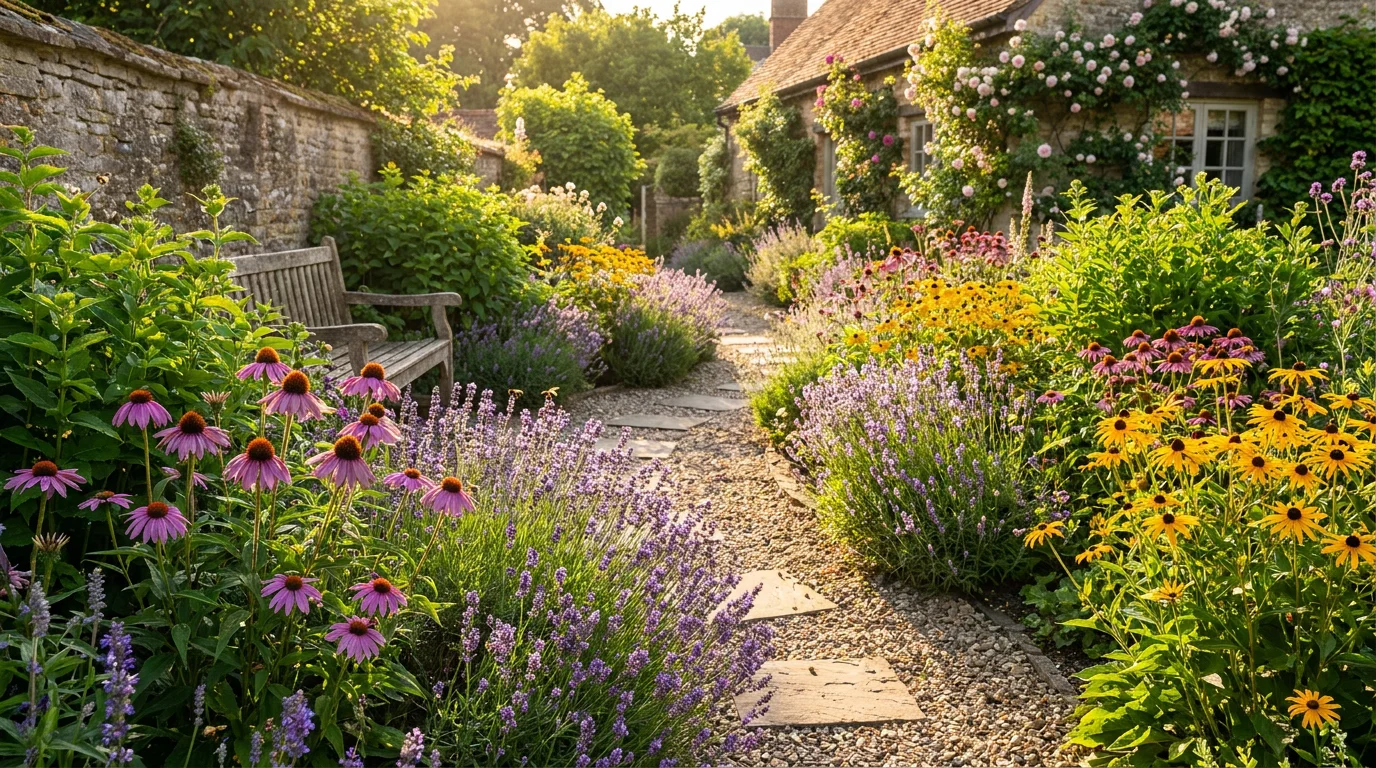
The most beautiful gardens are not always the most laborious ones. In fact, the gardeners who seem to "always have something in bloom" often work smarter rather than harder — choosing the right plants, preparing soil well once, and letting nature do the heavy lifting. Here's how to design a summer garden that looks stunning with minimal ongoing effort.
The Core Principle: Right Plant, Right Place
A plant growing in conditions it loves requires almost no intervention. A plant fighting its environment will demand constant attention and still underperform. Before choosing plants, understand your garden's:
- Sun exposure: full sun (6+ hours), partial shade (3–6 hours), or full shade
- Soil drainage: fast-draining sandy soil, slow-draining clay, or well-balanced loam
- Rainfall patterns: naturally wet, dry, or variable through summer
- Hardiness zone: determines which perennials survive winter in your area
Match plants to these conditions and your maintenance burden drops dramatically.
Build Your Garden Around Perennials
Perennials come back year after year from the same root system — no replanting required. Combine several that bloom at different times for continuous color from spring through fall:
- Early summer: Salvia, alliums, hardy geraniums, catmint
- Midsummer: Echinacea (coneflower), rudbeckia (black-eyed susan), lavender, daylilies
- Late summer: Sedums, asters, ornamental grasses, agastache
Once established (usually after year two), most perennials need little beyond an annual cutback in late winter.
Strategic Use of Annuals
A few well-placed annuals fill gaps and provide uninterrupted color while perennials are between bloom cycles. Choose self-seeding annuals like zinnias, cosmos, and nigella — they drop seeds at season's end and return next year without replanting. Plant once, enjoy for years.
Mulch: The Single Most Effective Low-Maintenance Strategy
A 2–3 inch layer of organic mulch (shredded bark, wood chips, or straw) across your beds will:
- Suppress 70–80% of weeds
- Reduce watering frequency by retaining soil moisture
- Regulate soil temperature, protecting roots in both heat and cold
- Break down slowly to feed soil biology
Apply once in spring and top up in fall. This single annual task saves dozens of hours of weeding and watering throughout the season.
Group Plants by Water Needs
Grouping drought-tolerant plants (lavender, salvia, echinacea, ornamental grasses) together in one area, and moisture-loving plants (hydrangeas, astilbe, ligularia) in another, means you water each zone only as needed — rather than applying a one-size-fits-all approach that inevitably over-waters some plants and under-waters others.
Invest in Good Edges
Clean bed edges are the single most impactful detail for a garden that looks well-maintained even when it isn't. A sharp spade or half-moon edger run along the perimeter of beds once in spring, and touched up monthly, creates a crisp line that makes the whole space read as intentional and cared-for.
Low-Maintenance Does Not Mean No Maintenance
Even the most thoughtfully designed garden needs some attention:
- Deadheading: Removing spent flowers extends bloom time for many annuals and perennials.
- Dividing perennials: Every 3–5 years, dig and split crowded clumps to maintain vigor.
- Seasonal cutback: Cut perennials back in late winter or early spring to encourage fresh growth.
But these are seasonal tasks — measured in hours per year, not hours per week.
Design once, enjoy for years. Browse our gardening tools at vyrgromm.com — including the precision shears and rakes that make every seasonal task faster and easier.