
How to Start Seeds Indoors: A Step-by-Step Guide for Better Germination
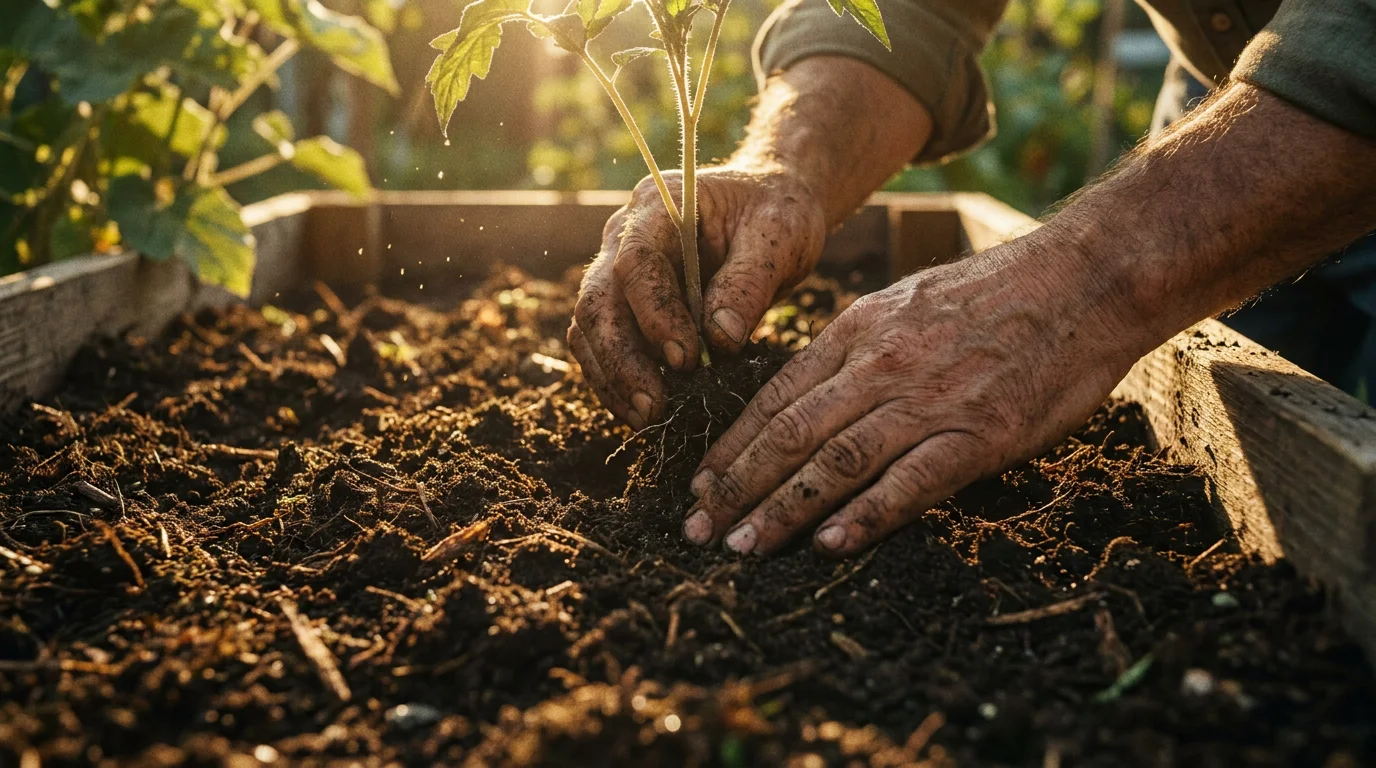
Starting seeds indoors gives you a weeks-long head start on the growing season, access to rare varieties you can't buy as transplants, and significantly lower cost per plant. But it's also one of the most common sources of gardening frustration — leggy seedlings, failed germination, damping off. This guide walks you through every step to get it right the first time.
Why Start Seeds Indoors?
- Extended season: Start tomatoes, peppers, and eggplants 6–8 weeks before your last frost date — gaining weeks of productive growing time.
- Variety selection: Seed catalogs offer hundreds of varieties that never appear as transplants at garden centers.
- Lower cost: A packet of 50 tomato seeds often costs less than a single transplant.
- Healthy, known-history plants: You control what goes into the soil and avoid introducing pests from commercial transplants.
When to Start Seeds Indoors
Count backward from your last expected frost date. Here are general lead times:
- Tomatoes, peppers, eggplant: 6–8 weeks before last frost
- Brassicas (broccoli, cabbage, kale): 4–6 weeks before transplanting
- Herbs (basil, parsley): 4–6 weeks before last frost
- Flowers (marigold, zinnia, cosmos): 4–6 weeks before transplanting
- Cucumbers, squash, melons: Only 2–3 weeks — they establish fast and dislike root disturbance
What You Need
- Seed-starting trays or small containers with drainage holes
- Seed-starting mix (lightweight, sterile — NOT regular potting soil)
- A spray bottle or watering bottle with a precision tip
- A light source (south window or grow light)
- Optional: heat mat for warmth-loving crops like tomatoes and peppers
Step-by-Step: Sowing Seeds
- Moisten the seed-starting mix before filling containers. Mix should be damp like a wrung-out sponge — not dripping wet, not dry.
- Fill containers to within ½ inch of the top. Gently firm the surface without compacting.
- Make small depressions and place 2–3 seeds per cell. Planting multiple seeds per cell ensures germination; you'll thin to one seedling later.
- Cover with seed-starting mix to the recommended depth (usually 2–3× the seed diameter). Tiny seeds like basil and snapdragons are pressed in and left uncovered — they need light to germinate.
- Mist the surface gently using a spray bottle to avoid disturbing seeds.
- Cover with a humidity dome or plastic wrap to retain moisture during germination. Remove as soon as sprouts appear.
Germination Environment
Temperature: Most seeds germinate best at soil temperatures of 65–75°F (18–24°C). Tomatoes and peppers prefer 75–85°F — a heat mat makes a significant difference. After germination, temperature can drop to 60–65°F at night.
Light: Seedlings need 14–16 hours of light daily. A south-facing window alone is rarely enough — invest in a basic LED grow light for consistent results.
Moisture: Keep the seed-starting mix consistently moist but never soggy during germination. Use a precision tip watering bottle to water along the soil surface without disturbing seedlings.
Thinning and Transplanting
Once seedlings have their first set of true leaves (the second set to appear), thin to one per cell by snipping extras at soil level — never pull, which disturbs remaining roots.
Before transplanting outdoors, harden off seedlings over 7–10 days by setting them outside for increasing periods, starting with 1 hour in a sheltered, partially shaded spot and building to full outdoor exposure. This acclimates them to wind, temperature fluctuation, and direct sun — skipping this step is the most common cause of transplant shock.
Explore our garden tool collection at vyrgromm.com — including precision watering bottles perfect for delicate seedling care.