
How to Grow Fresh Herbs at Home: A Beginner's Container Garden Guide
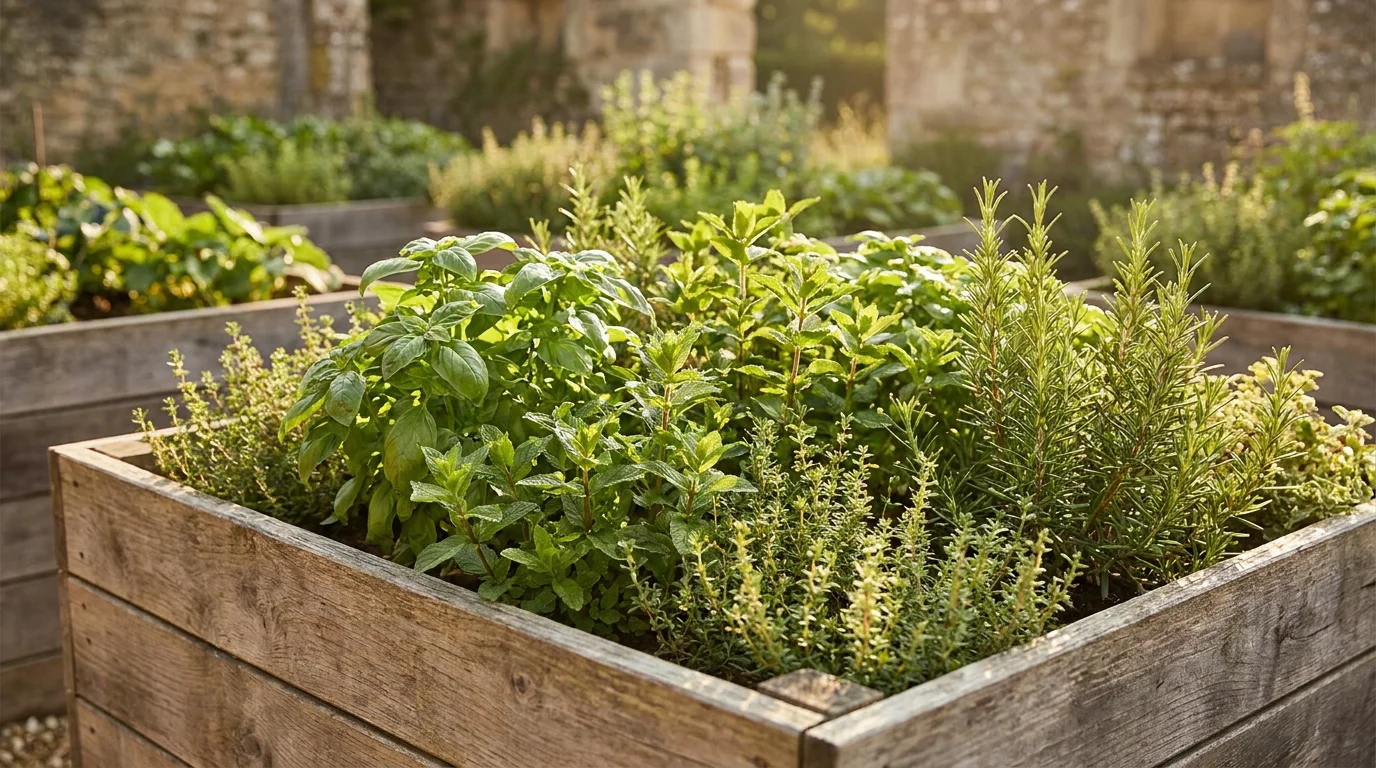
There's nothing quite like snipping fresh basil over pasta, or cutting sprigs of rosemary straight from a pot on your windowsill. Growing herbs at home is one of the most rewarding — and accessible — forms of gardening. You don't need a yard, a greenhouse, or even much space. A sunny windowsill and a few containers are enough to start.
This guide covers everything a beginner needs to know to grow a thriving herb garden in containers, indoors or out.
Why Container Herb Gardening Is Perfect for Beginners
- Low barrier to entry: Pots, potting mix, and a few seed packets — that's all you need to start.
- Forgiving: Most herbs prefer being slightly neglected over being overwatered. Miss a day of watering? They'll be fine.
- Fast results: Basil, chives, and dill go from seed to harvest in as little as 3–4 weeks.
- No outdoor space required: A south-facing windowsill provides enough light for most culinary herbs.
The 6 Best Herbs to Grow in Containers
1. Basil
The most popular culinary herb and one of the easiest to grow. Basil loves warmth and bright light — give it a sunny windowsill or full outdoor sun and it will thrive. Pinch off flower buds as soon as they appear to keep leaves coming for months. Harvest from the top down, never stripping more than a third of the plant at once.
2. Mint
Incredibly vigorous — grow it in its own container because it will take over any shared pot. Mint tolerates partial shade better than most herbs and appreciates consistent moisture. Spearmint, peppermint, and chocolate mint all make excellent container plants.
3. Rosemary
A Mediterranean native that loves dry conditions and full sun. Rosemary is drought-tolerant once established — water deeply but infrequently. In cold climates, bring it indoors over winter. A large container (at least 12 inches wide) gives it room to develop its woody structure.
4. Thyme
Low-growing and aromatic, thyme is almost impossible to kill. It prefers well-drained soil and full sun, tolerates drought, and comes back reliably year after year. A single plant on a kitchen windowsill provides enough thyme for most home cooks.
5. Chives
One of the most versatile and low-maintenance herbs you can grow. Chives regrow quickly after cutting and even produce attractive purple flowers that are edible. They tolerate partial shade and regular harvesting encourages denser, more vigorous growth.
6. Parsley
Slower to establish than other herbs — parsley can take 2–3 weeks to germinate — but once it's going, it's productive for months. It prefers slightly more moisture and richer soil than Mediterranean herbs like rosemary and thyme. Start with transplants if you're impatient.
Container and Soil Setup
Container size: Most herbs do well in 6–8 inch diameter pots. Mint and rosemary benefit from larger pots (10–12 inch). Ensure every container has drainage holes — root rot from waterlogged soil is the primary cause of herb failure.
Soil: Use a quality potting mix, not garden soil, which compacts in containers and drains poorly. For Mediterranean herbs (rosemary, thyme, oregano), mix in about 20% perlite or coarse sand for extra drainage.
Light Requirements
Most culinary herbs need 6+ hours of direct sunlight daily. Indoors, a south-facing window is best. If natural light is insufficient, a simple grow light positioned 6–12 inches above the plants for 14–16 hours daily will compensate completely.
Watering: The Finger Test
Push your finger an inch into the soil. If it's dry, water thoroughly until it drains from the bottom. If still moist, wait another day. Mediterranean herbs (rosemary, thyme, oregano) prefer to dry out between waterings. Moisture-loving herbs (basil, parsley, chives) prefer consistently moist but never soggy soil.
Harvesting: How to Do It Right
Harvest regularly — it encourages bushier, more productive growth. Always cut just above a leaf node or set of leaves. Never remove more than one-third of the plant in a single harvest. For basil especially, pinch flower buds off immediately — once basil flowers, leaves become bitter and production slows dramatically.
With a little attention and the right setup, a container herb garden pays for itself in flavor and satisfaction within the first growing season. Start with basil and thyme — you'll be growing every herb on this list by next summer.
Browse our complete range of garden tools at vyrgromm.com — built to make gardening easier and more enjoyable at every level.